Eye Health Blog
Evidence-based articles from our Braddon, Canberra ophthalmologists — cataracts, glaucoma, eye injections, children's vision and more.
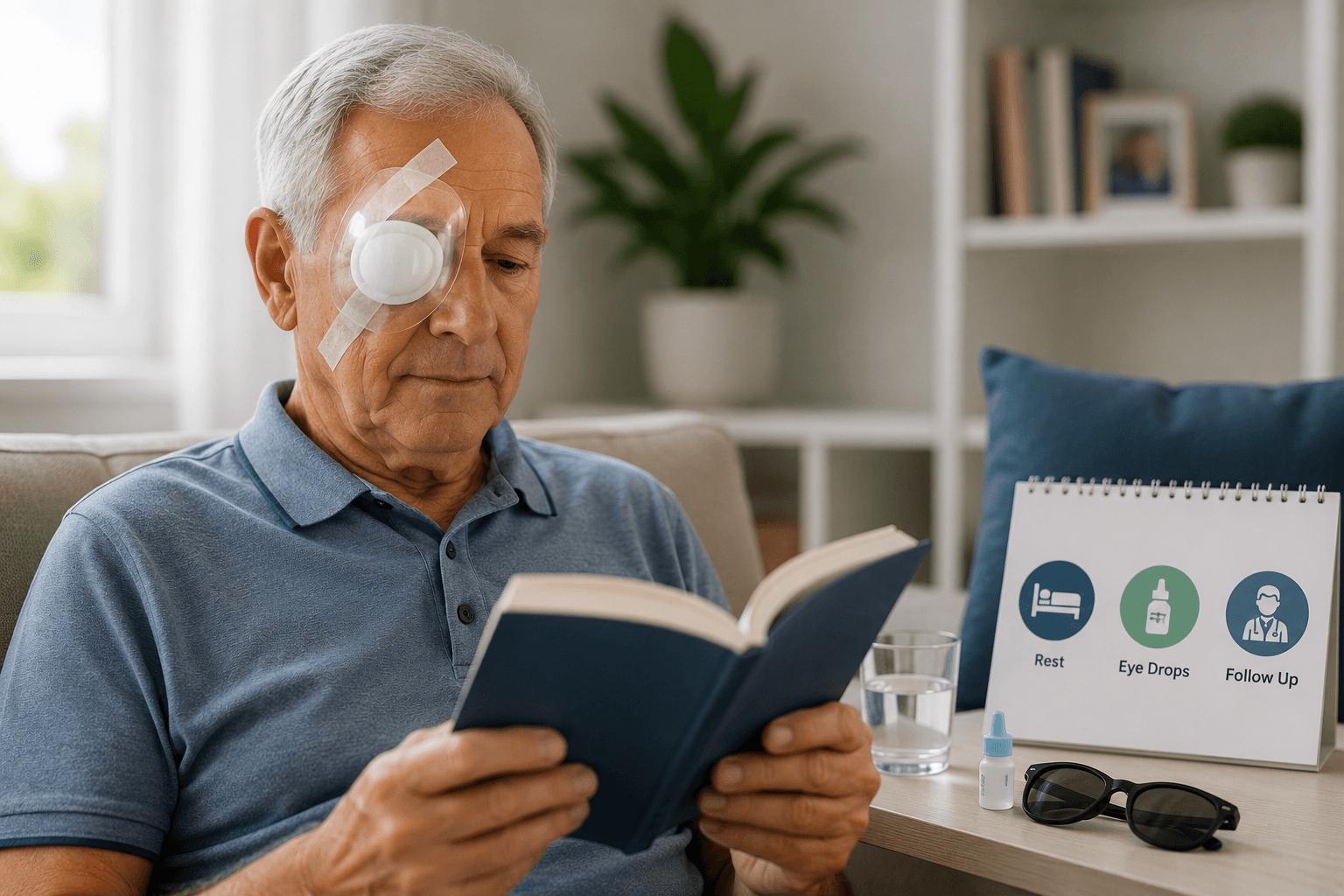
Cataract Surgery and Ageing: What Seniors Should Know
Cataracts become almost universal with age. Understand the types, symptoms, surgery procedure, IOL options, and recovery — everything Australian seniors need to know.
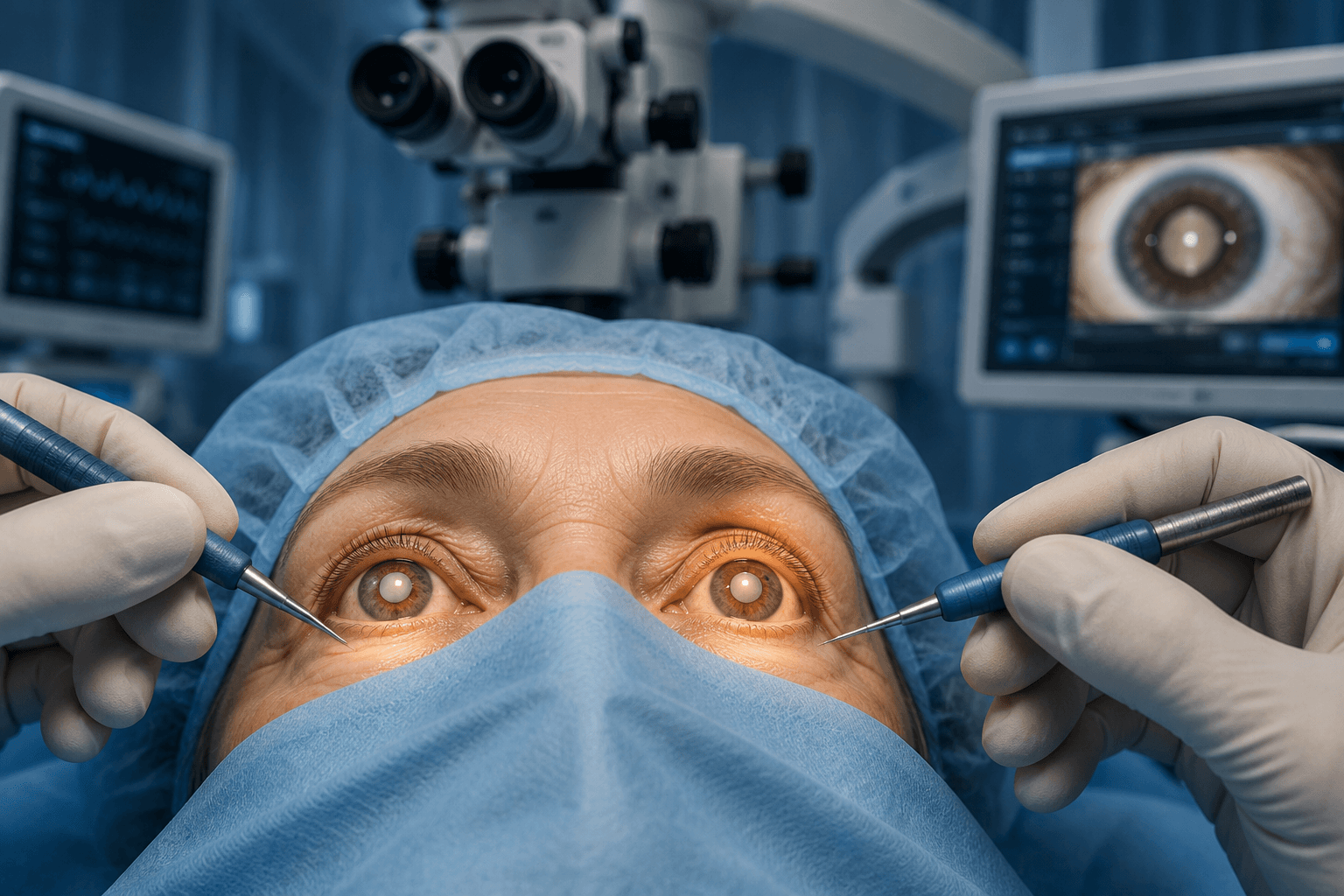
Can Diplopia After Cataract Surgery Be Prevented?
Double vision after cataract surgery is uncommon but distressing. Understand the causes, which risk factors can be addressed beforehand, and the treatments available when it occurs.
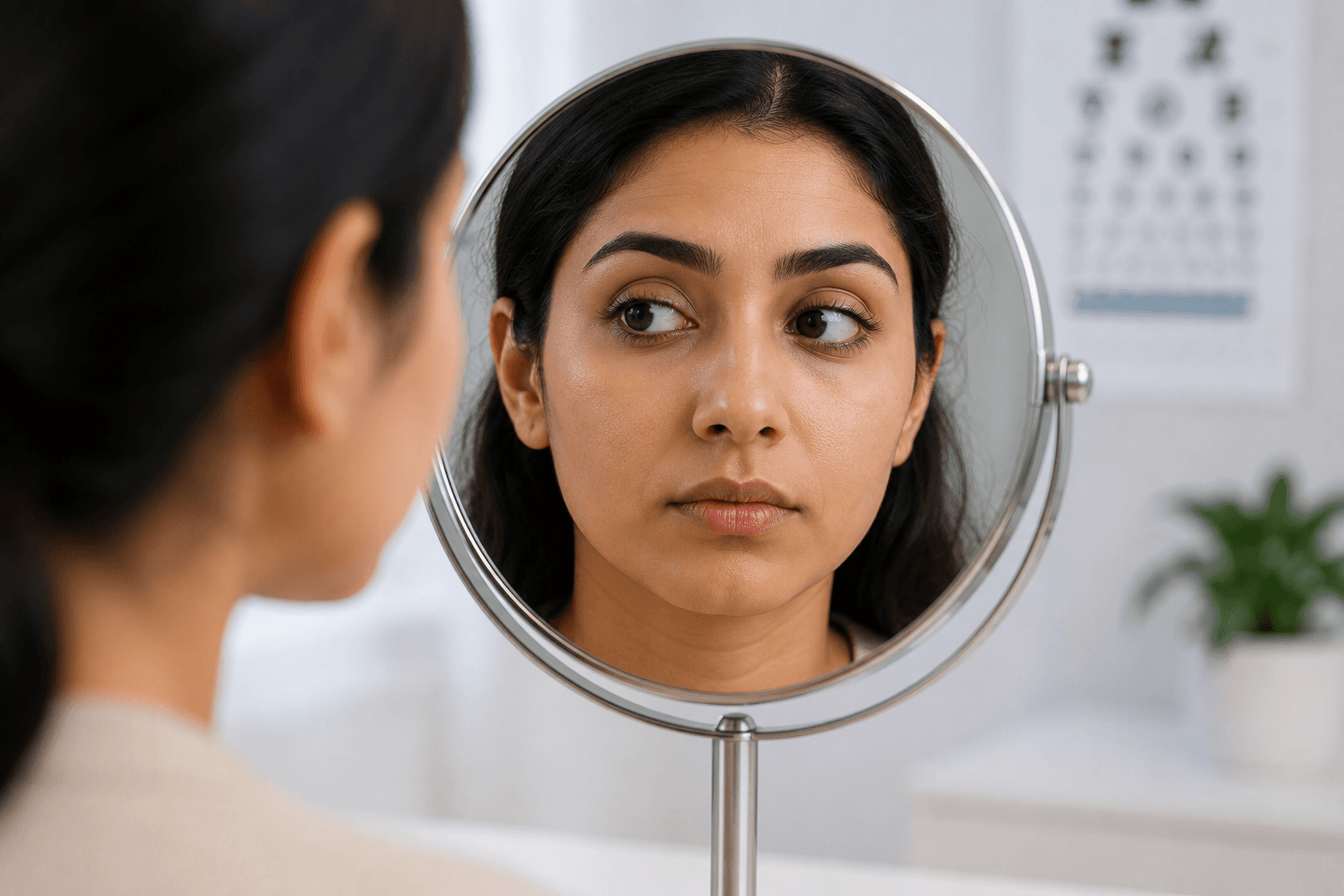
Strabismus vs Lazy Eye: Understanding the Difference
Strabismus and lazy eye (amblyopia) are often confused — but they are different conditions that need different treatments. Here's how they relate, how they differ, and what to do.
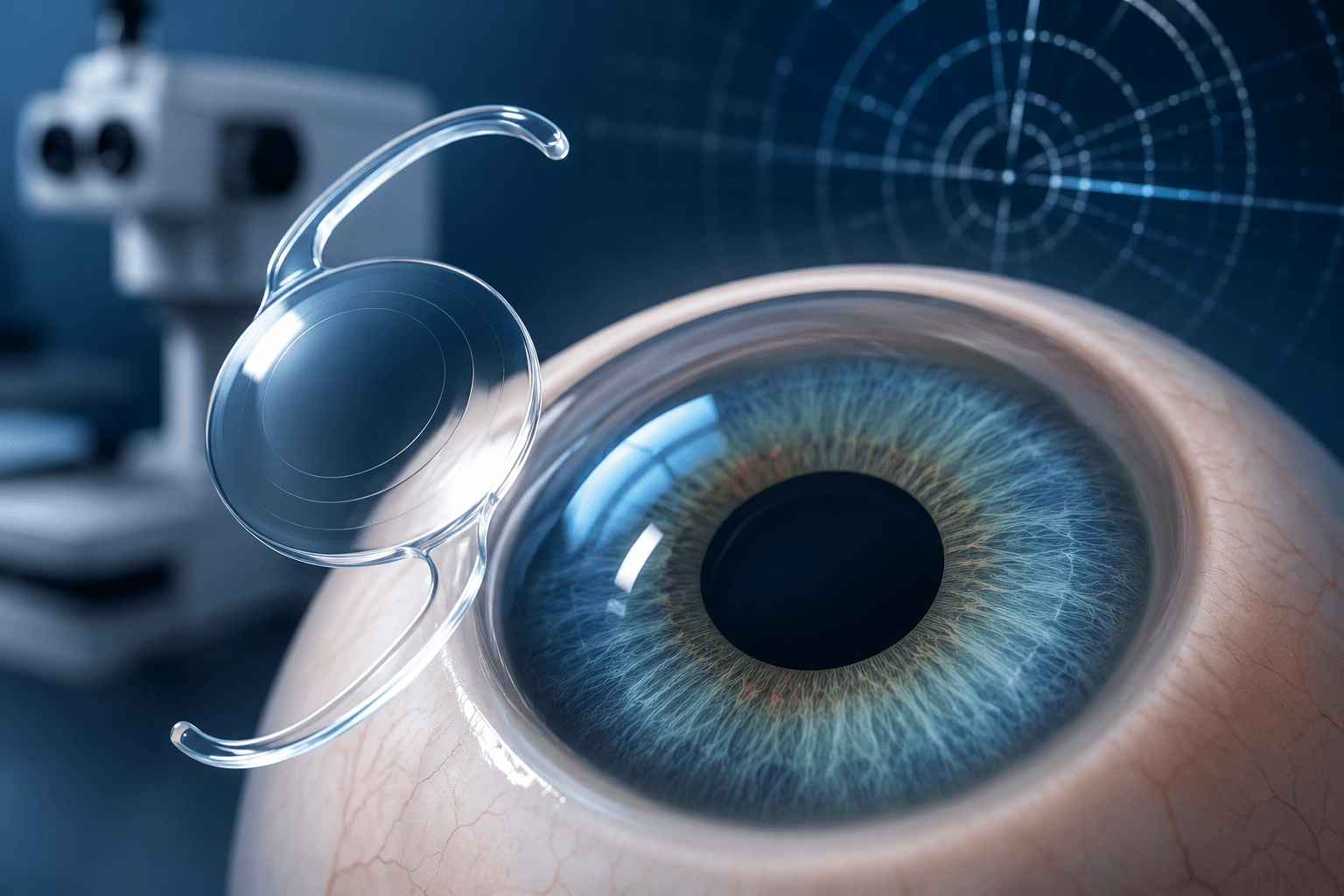
Toric IOLs for Astigmatism: Do They Really Reduce the Need for Glasses?
Toric intraocular lenses correct astigmatism during cataract surgery — but do they actually mean fewer glasses afterwards? Here's what the evidence shows.
Bilateral Cataract Surgery: One Eye at a Time, or Both Together?
If both your eyes have cataracts, should you have them done separately or on the same day? We break down the pros, cons and who each approach suits.
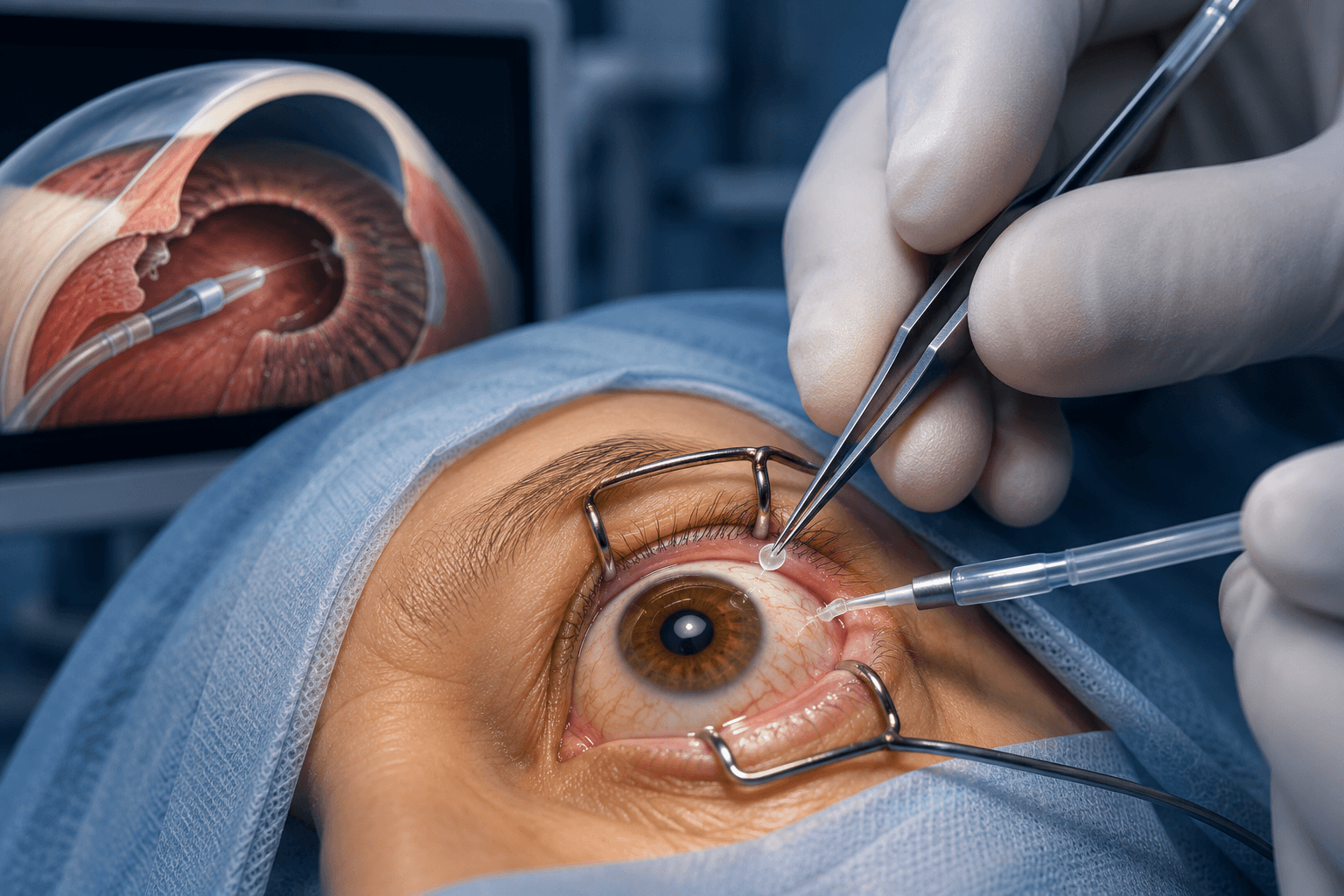
Glaucoma Surgery Explained: Trabeculectomy, MIGS & Tube Shunts
When eye drops and laser aren't enough, glaucoma surgery has three main paths. Here's how trabeculectomy, MIGS and tube shunts compare.
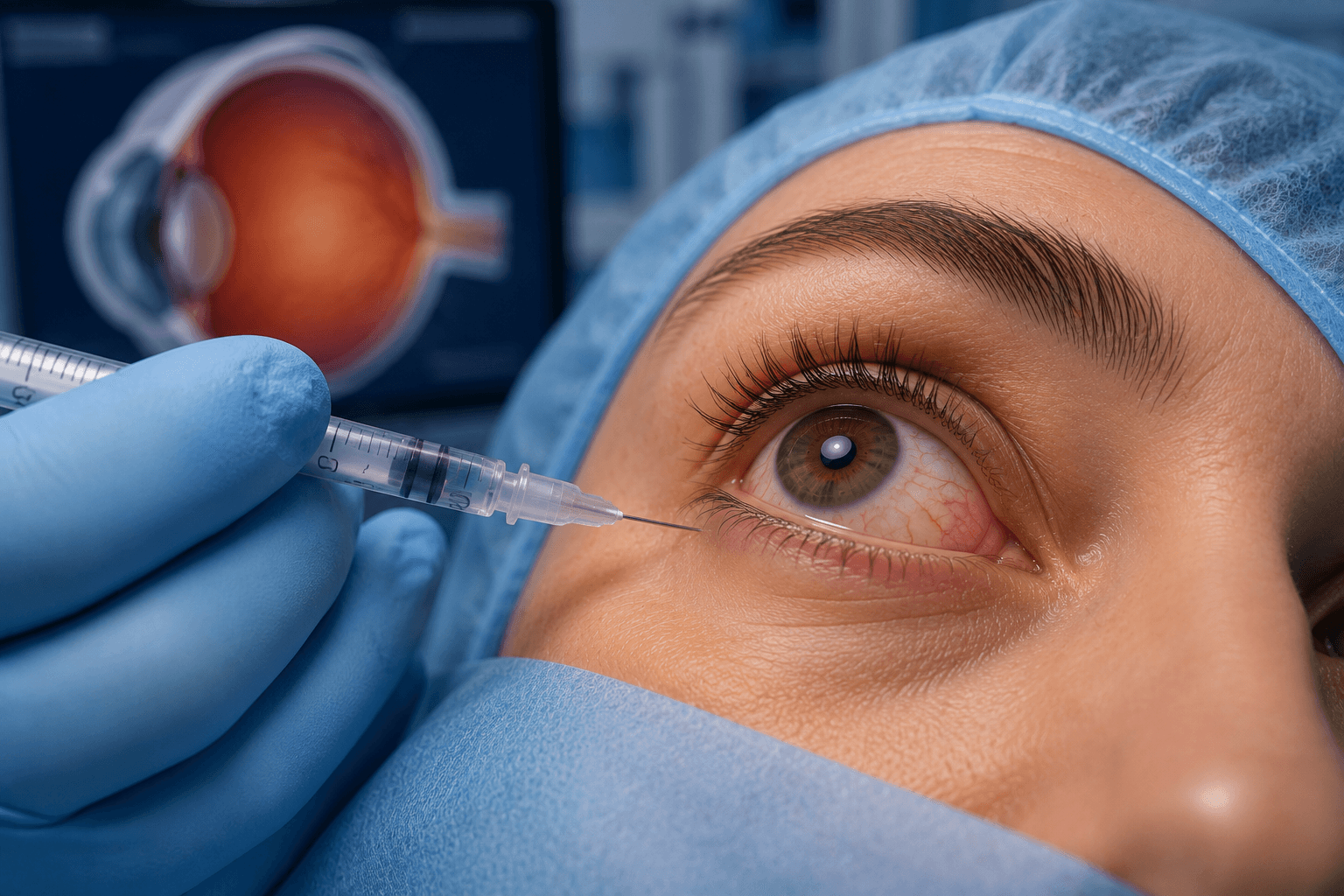
Eye Injections for Uveitis & Inflammatory Eye Disease: What to Know
Uveitis can threaten your sight if left untreated. Here's how targeted eye injections control inflammation, what to expect, and the risks involved.
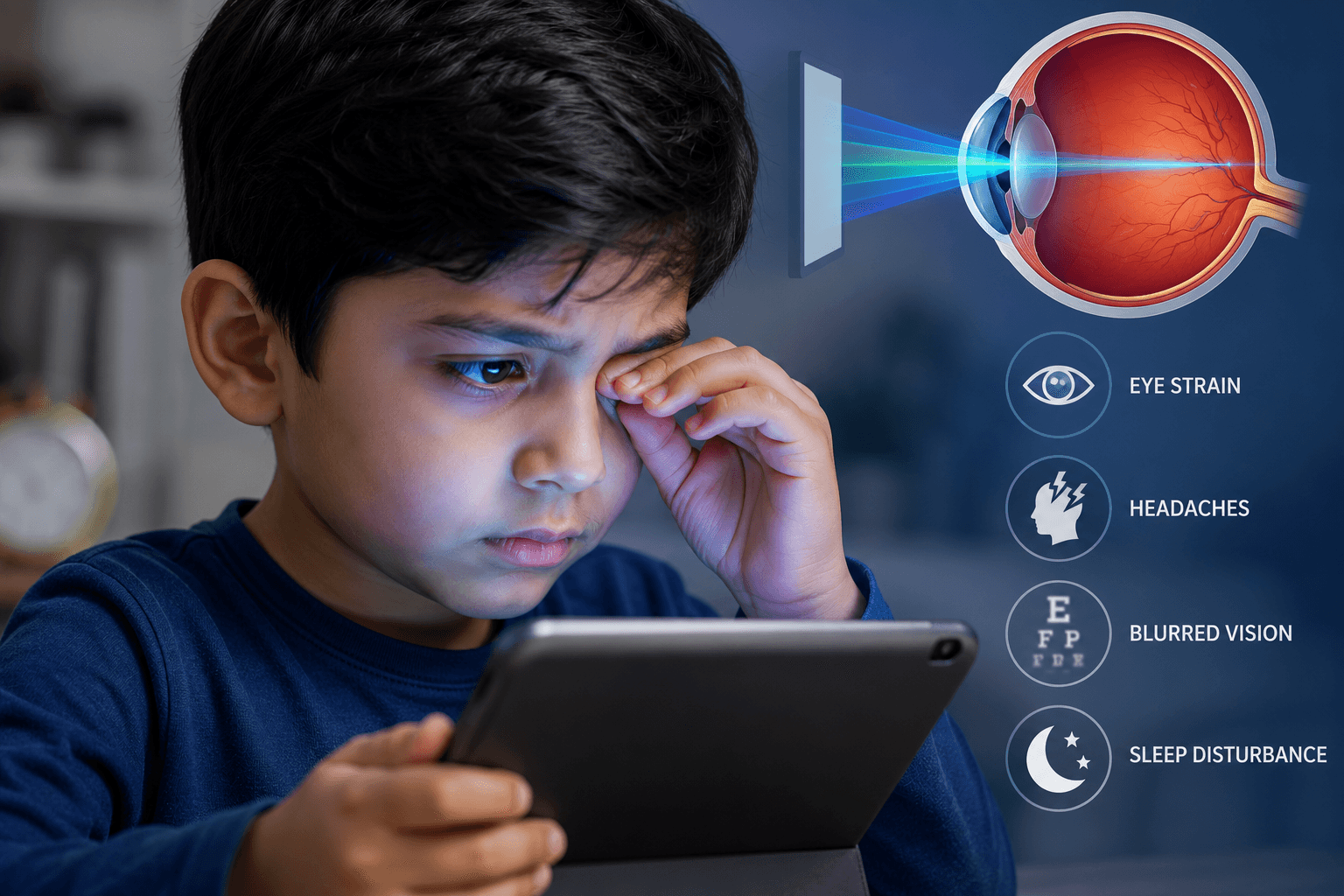
Digital Screen Use & Children's Eyes: How Much Is Too Much?
Screens are unavoidable, but how much is safe for developing eyes? Age-by-age guidelines, warning signs, and practical tips for parents.

What Are the Different Types of Lens for Cataract Surgery?
Monofocal, multifocal, EDOF or toric — the lens you choose shapes your vision for life. Here's how the main intraocular lens options compare.

How Long After Cataract Surgery Can I See Clearly?
Most patients notice clearer vision within days, with full healing over a few months. Here's the realistic week-by-week recovery timeline.
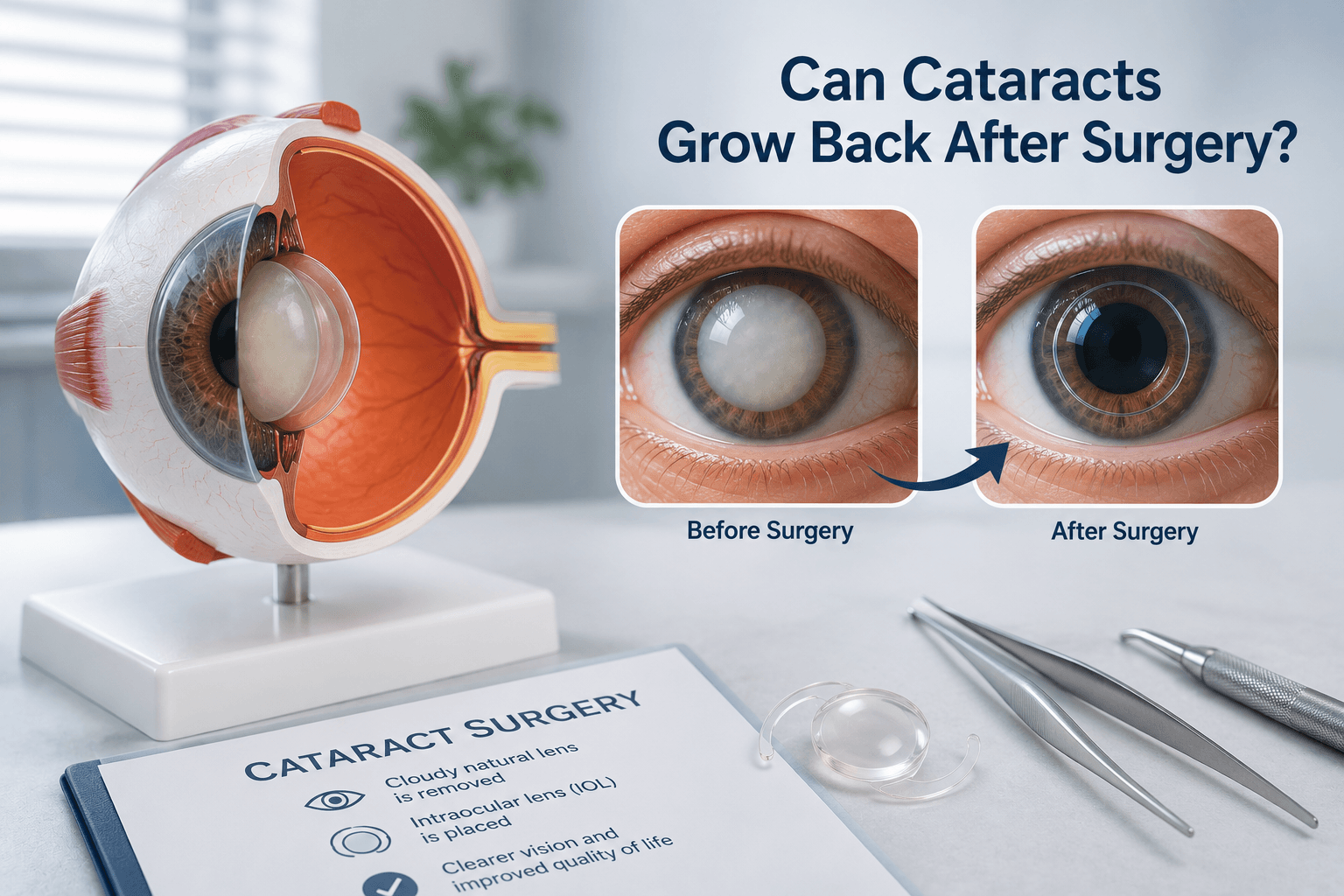
Can Cataracts Grow Back After Surgery? Myths, Facts & PCO Explained
Cataracts can't return after surgery — but cloudy vision can come back for a different reason. Here's the truth about posterior capsule opacification.
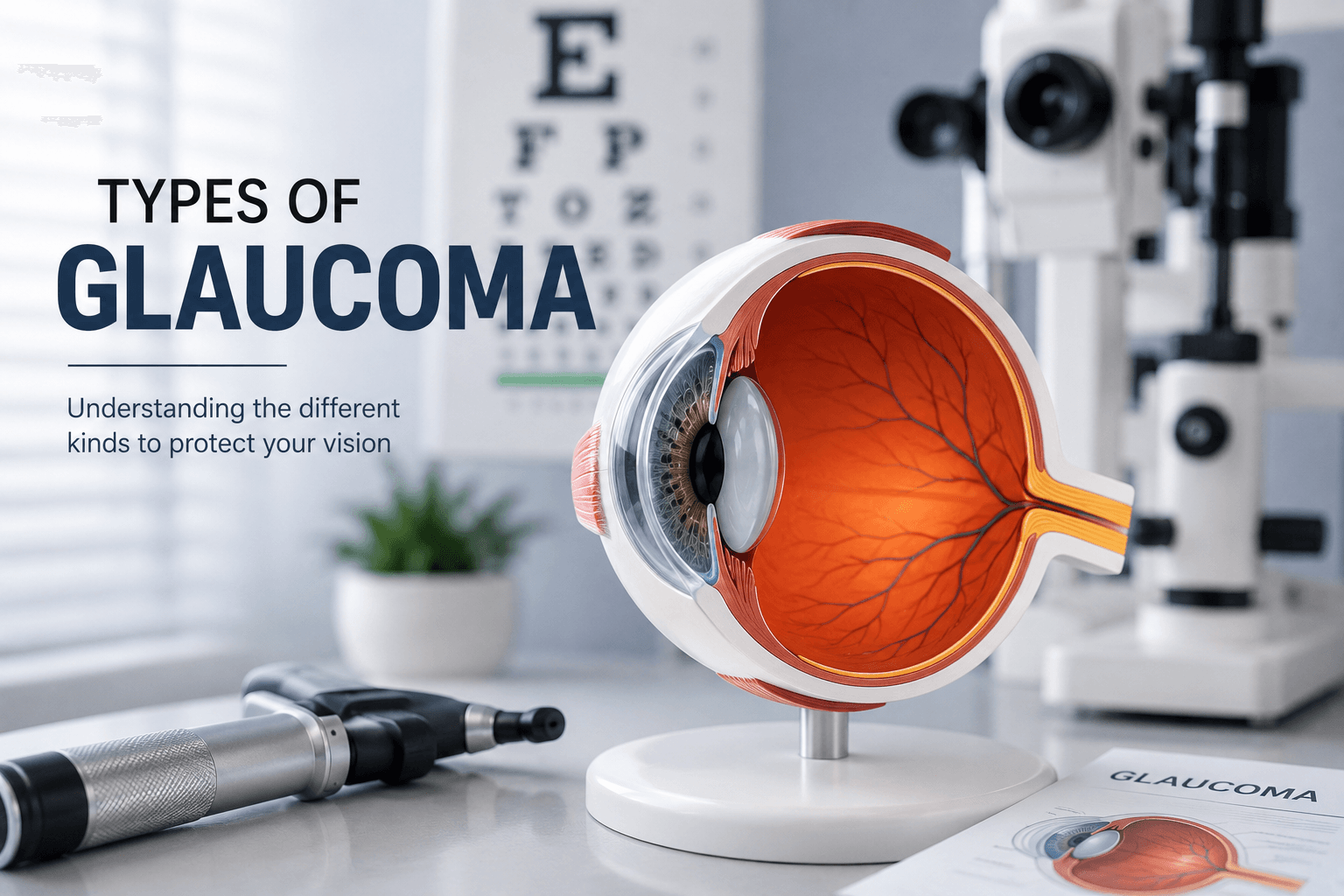
What Are the Different Types of Glaucoma?
Glaucoma isn't one disease — it's several, each with its own cause and risk profile. Here's how the main types differ.
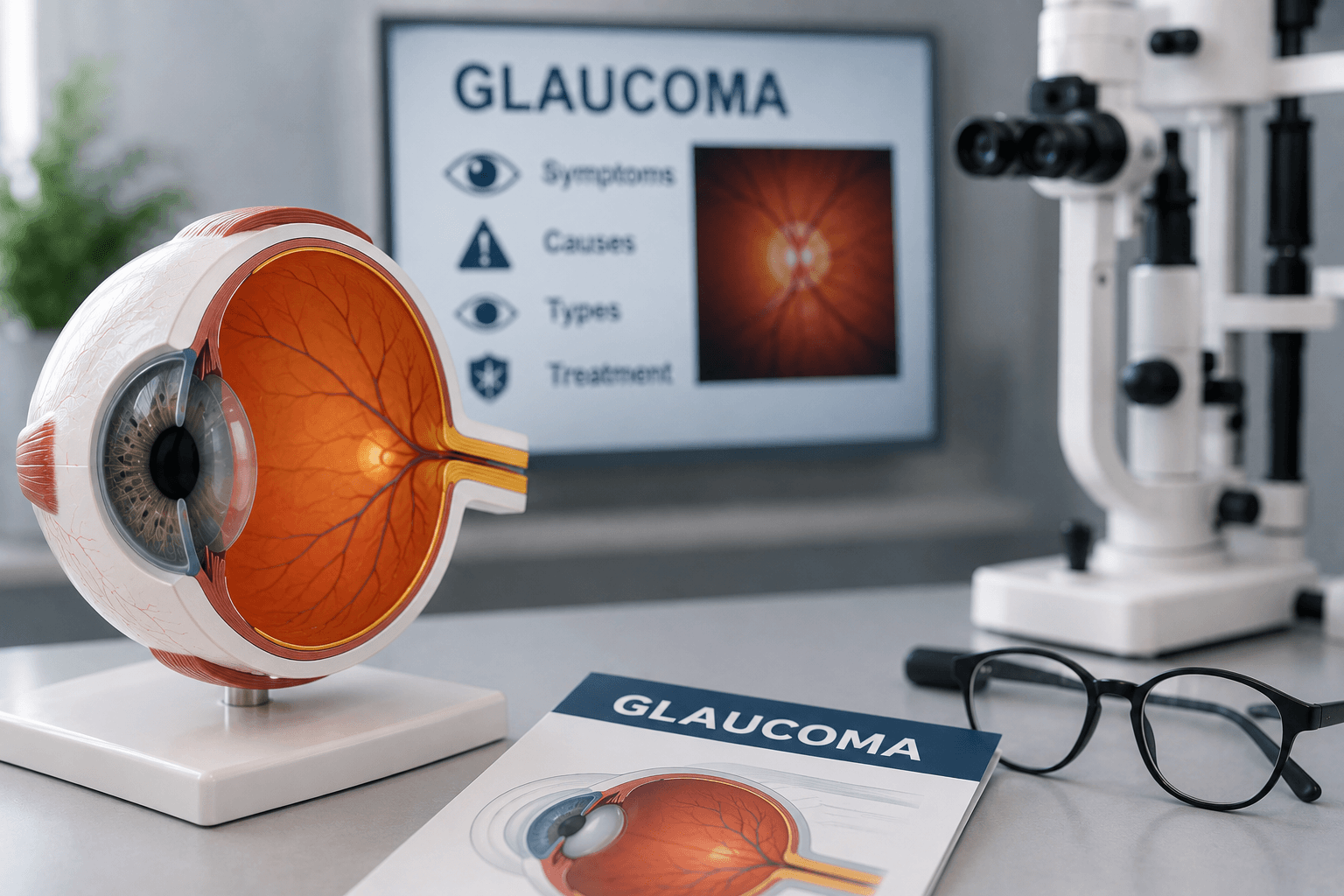
Glaucoma: What It Is, Symptoms, Causes, Types & Treatment
A complete guide to glaucoma — the "silent thief of sight" — covering symptoms, causes, diagnosis and every treatment option available today.

How Long Is Vision Blurry After an Eye Injection?
Blurry vision after an eye injection is normal — but how long should it last? Here's the realistic recovery timeline and when to be concerned.

What Happens If You Stop Eye Injections for Macular Degeneration?
Skipping or stopping anti-VEGF injections for wet AMD can allow vision loss to return quickly. Here's why ongoing treatment matters.
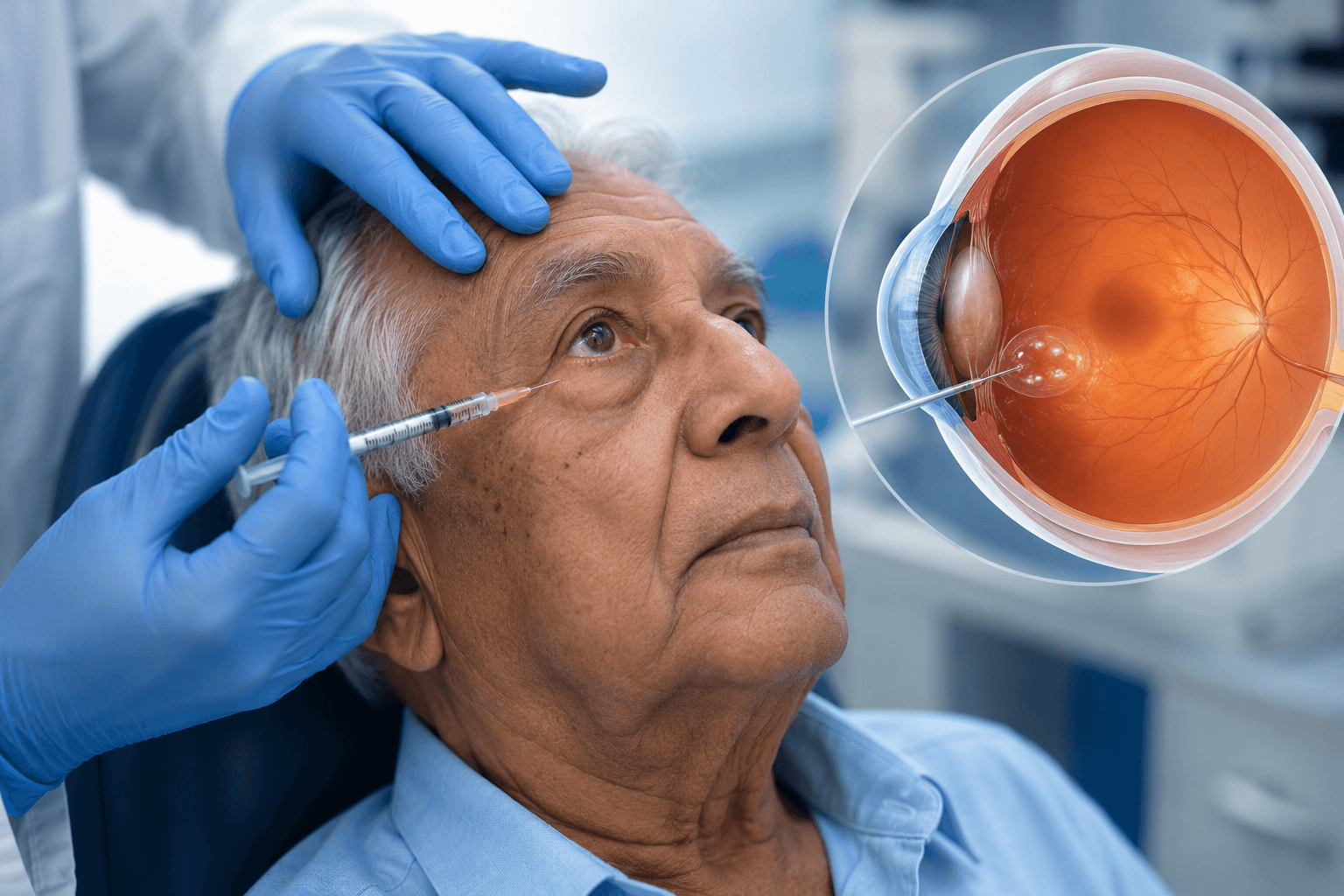
Eye Injections in Elderly Patients: Special Considerations
Older eyes need a gentler, more considered approach to injection therapy. Here's how age affects treatment planning, comfort and safety.
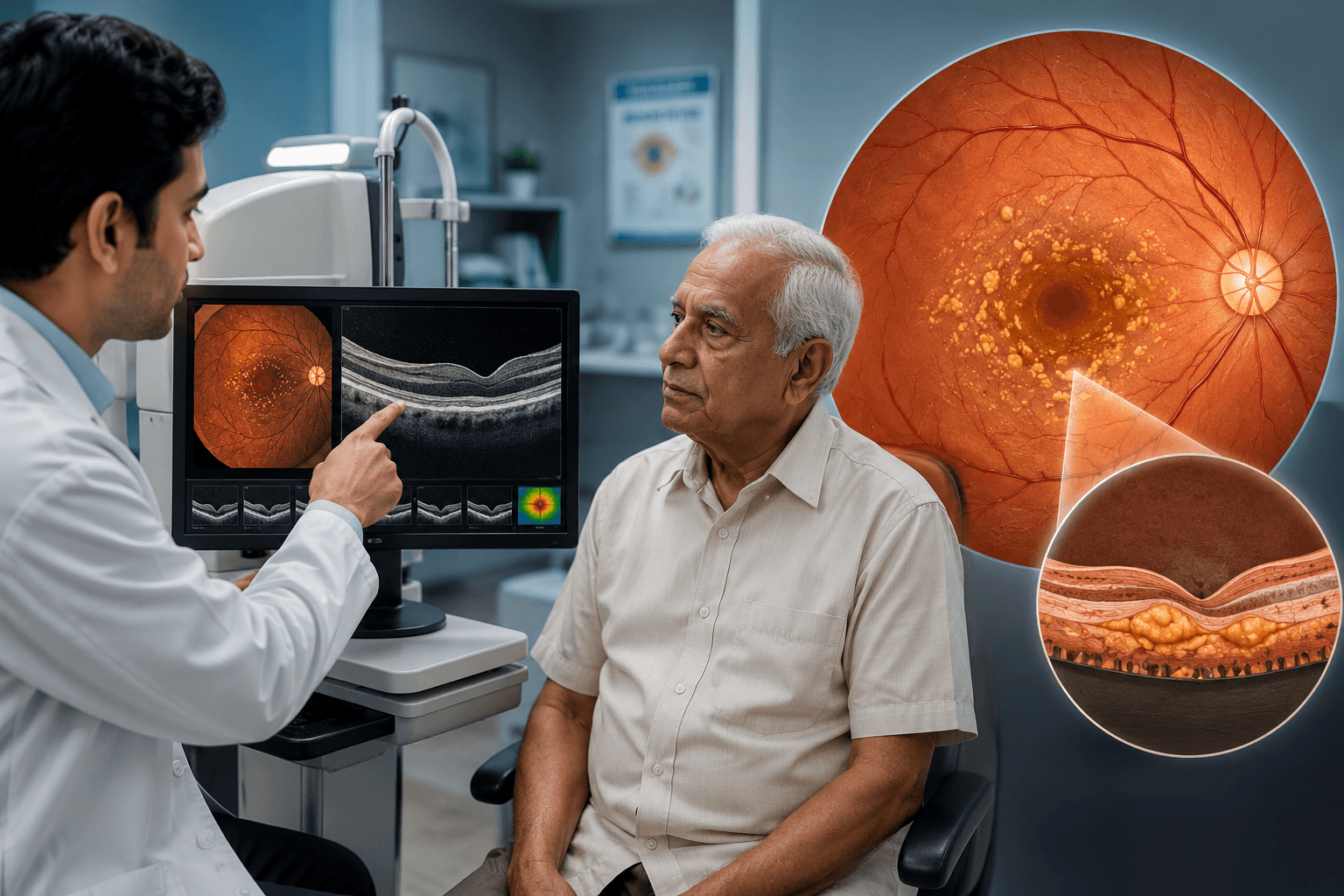
Understanding Age-Related Macular Degeneration (AMD) and Its Treatments
AMD is a leading cause of vision loss after 50. Here's the difference between dry and wet AMD, the warning signs, and every treatment option.
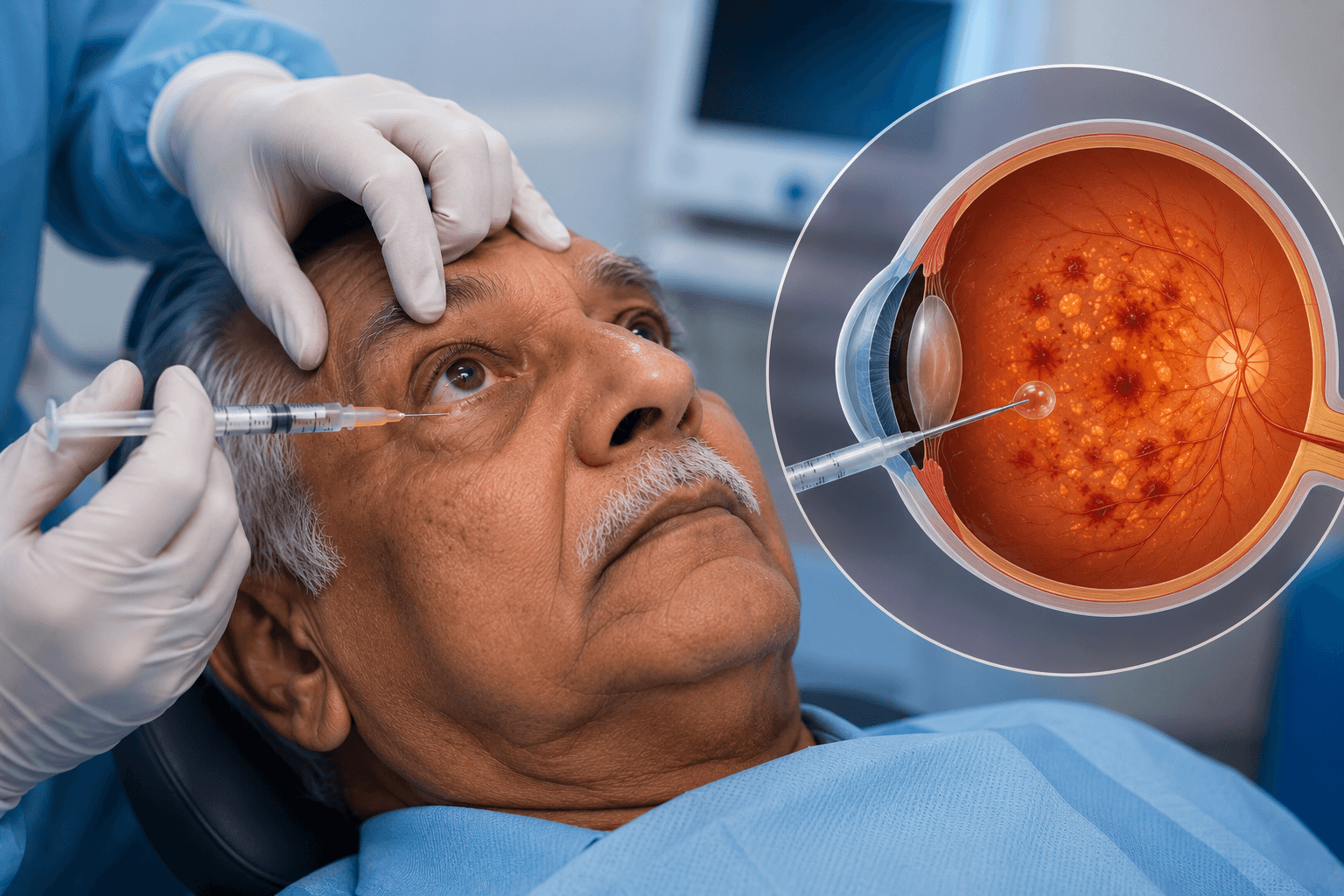
How Intravitreal Injections Help Preserve Vision in Diabetic Retinopathy
Diabetic retinopathy can silently threaten your sight. Here's how targeted eye injections protect vision and slow disease progression.

Myopia (Short-Sightedness) in Children: Causes, Progression, Prevention & Control
Childhood myopia is rising fast, and it doesn't stop at needing glasses. Here's what causes it, how it progresses, and the evidence-based ways to slow it down.
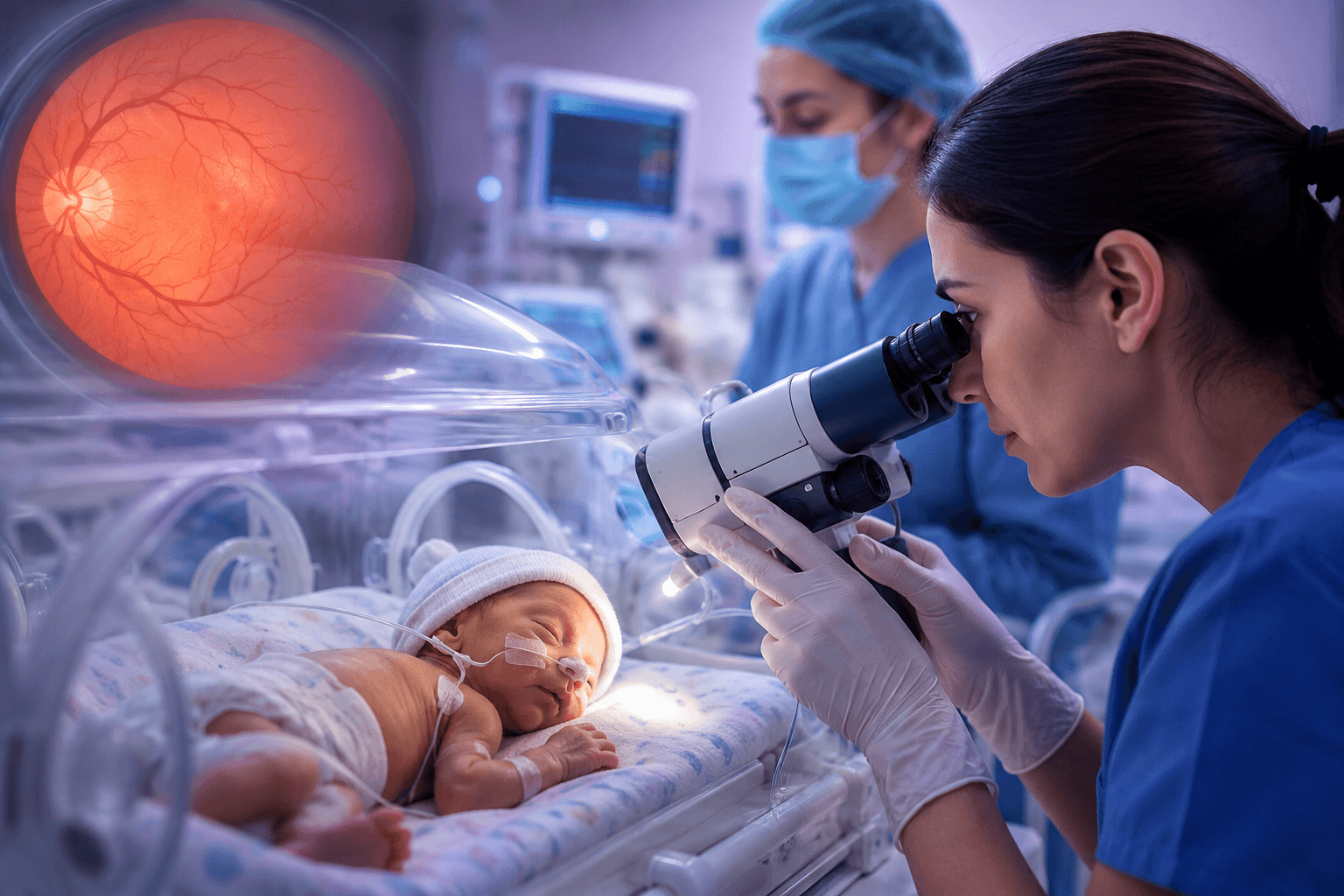
Eye Conditions in Premature Infants (e.g. ROP): What Parents Should Know
Premature babies face a higher risk of retinopathy of prematurity and other eye conditions. Here's what ROP is, how it's screened, and what treatment looks like.
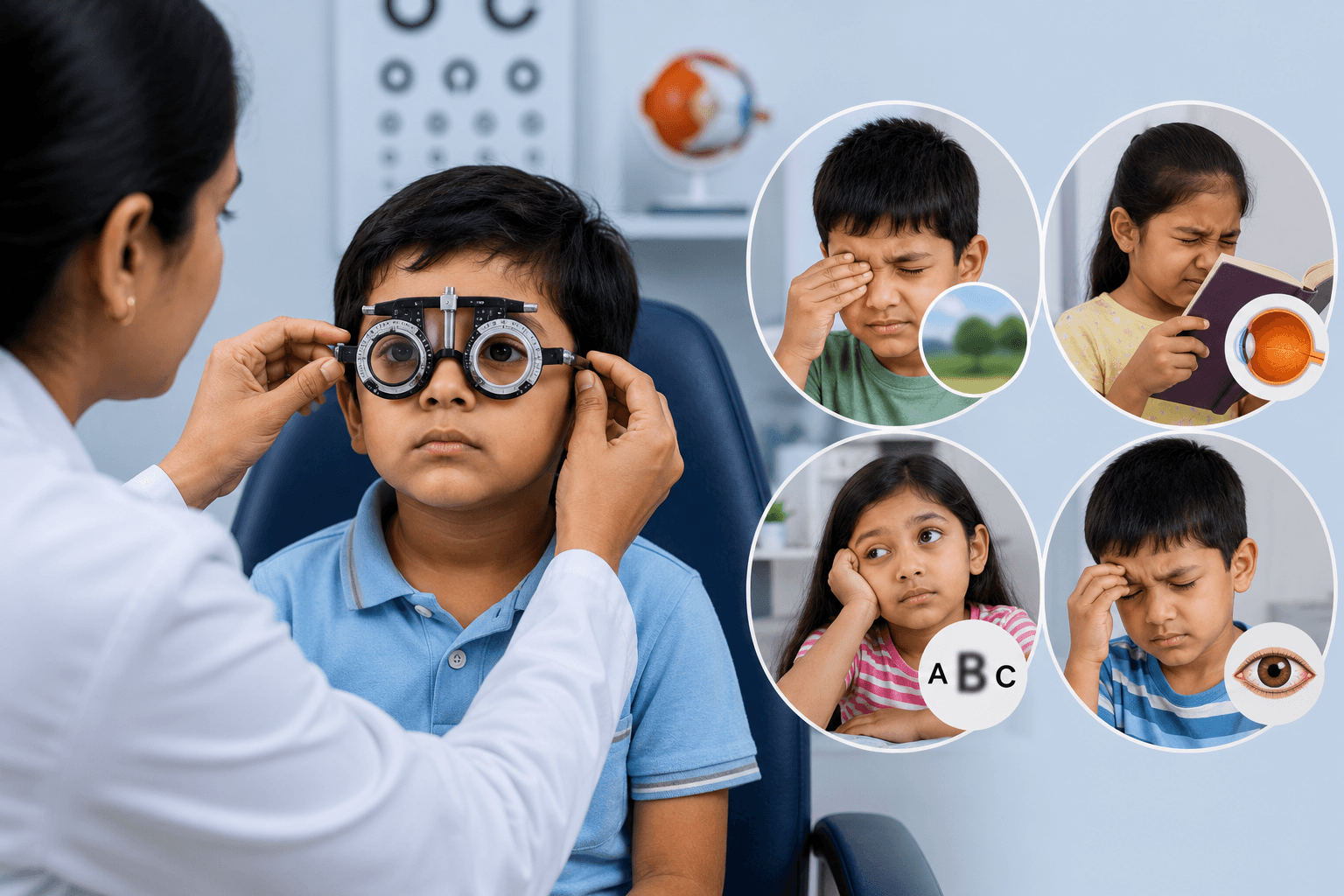
Common Vision Problems in Children and How to Spot Them Early
Children rarely know their vision is different from anyone else's. Here are the five most common childhood vision problems, and the warning signs parents shouldn't miss.
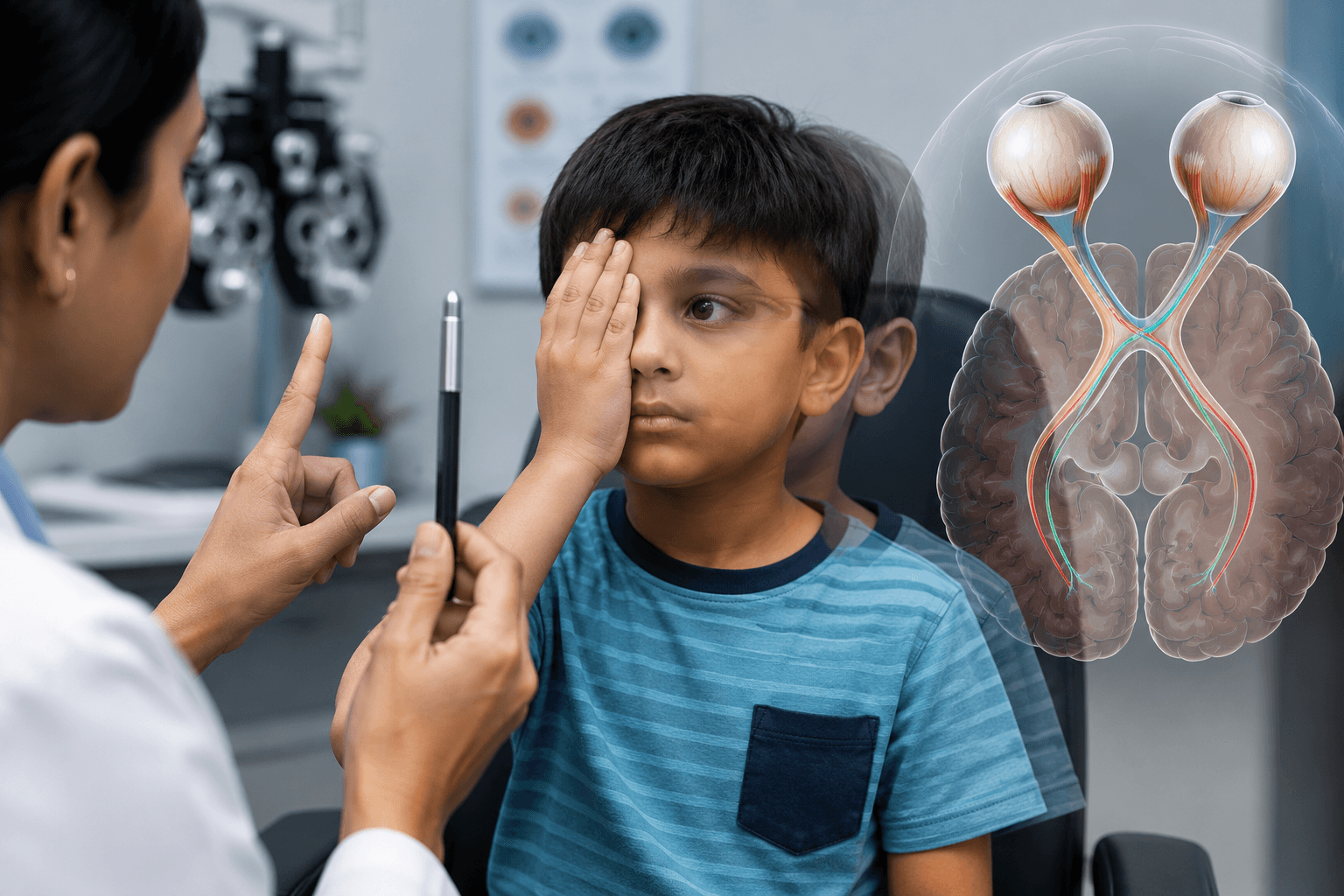
Double Vision in Children: What Parents Should Know
Double vision in a child should never be ignored. Here are the causes, warning signs, and when it could signal something more serious.
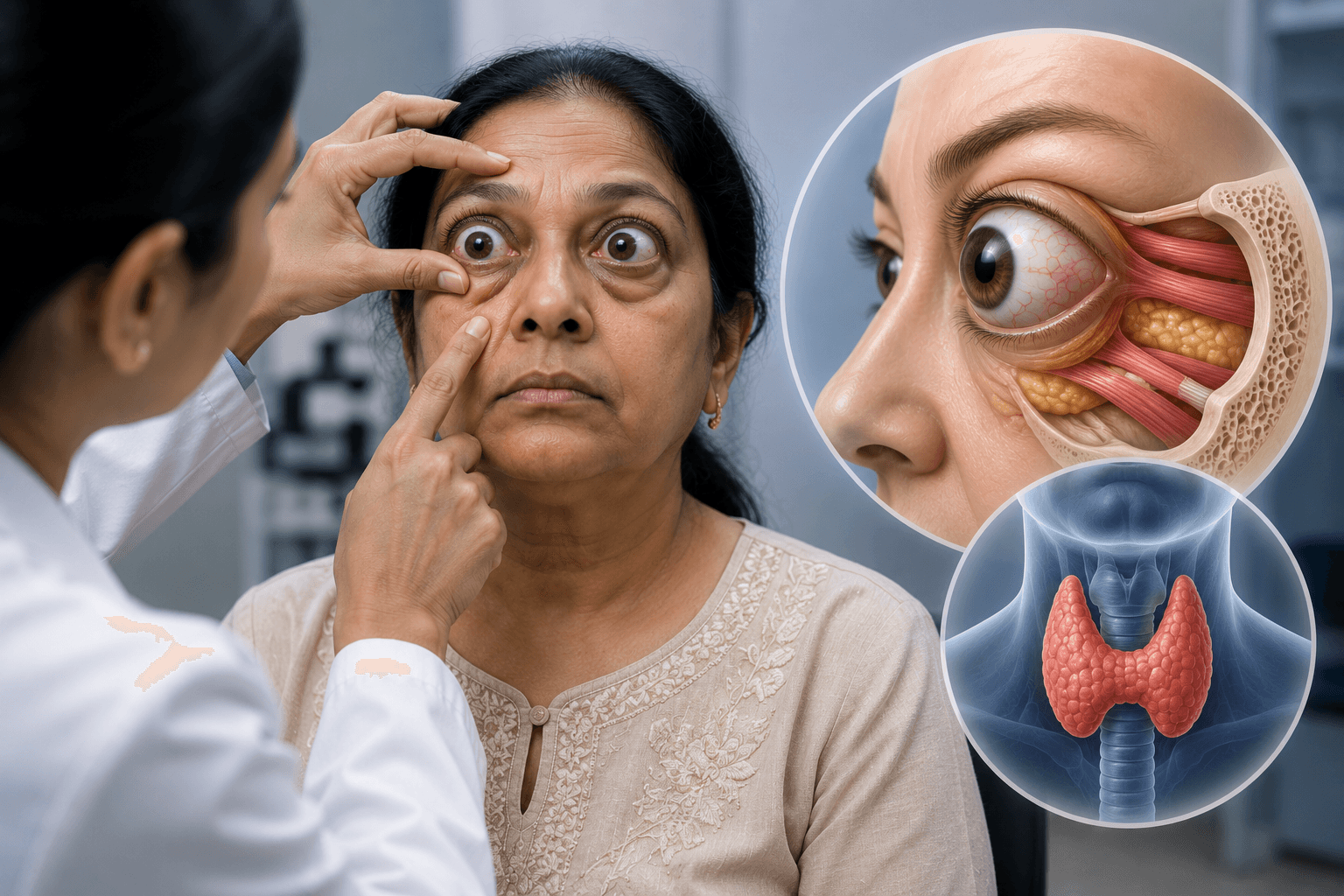
Understanding Thyroid Eye Disease: What You Need to Know
Thyroid eye disease can affect your eyes even with normal thyroid levels. Here's what it is, the symptoms to watch for, and how it's diagnosed.
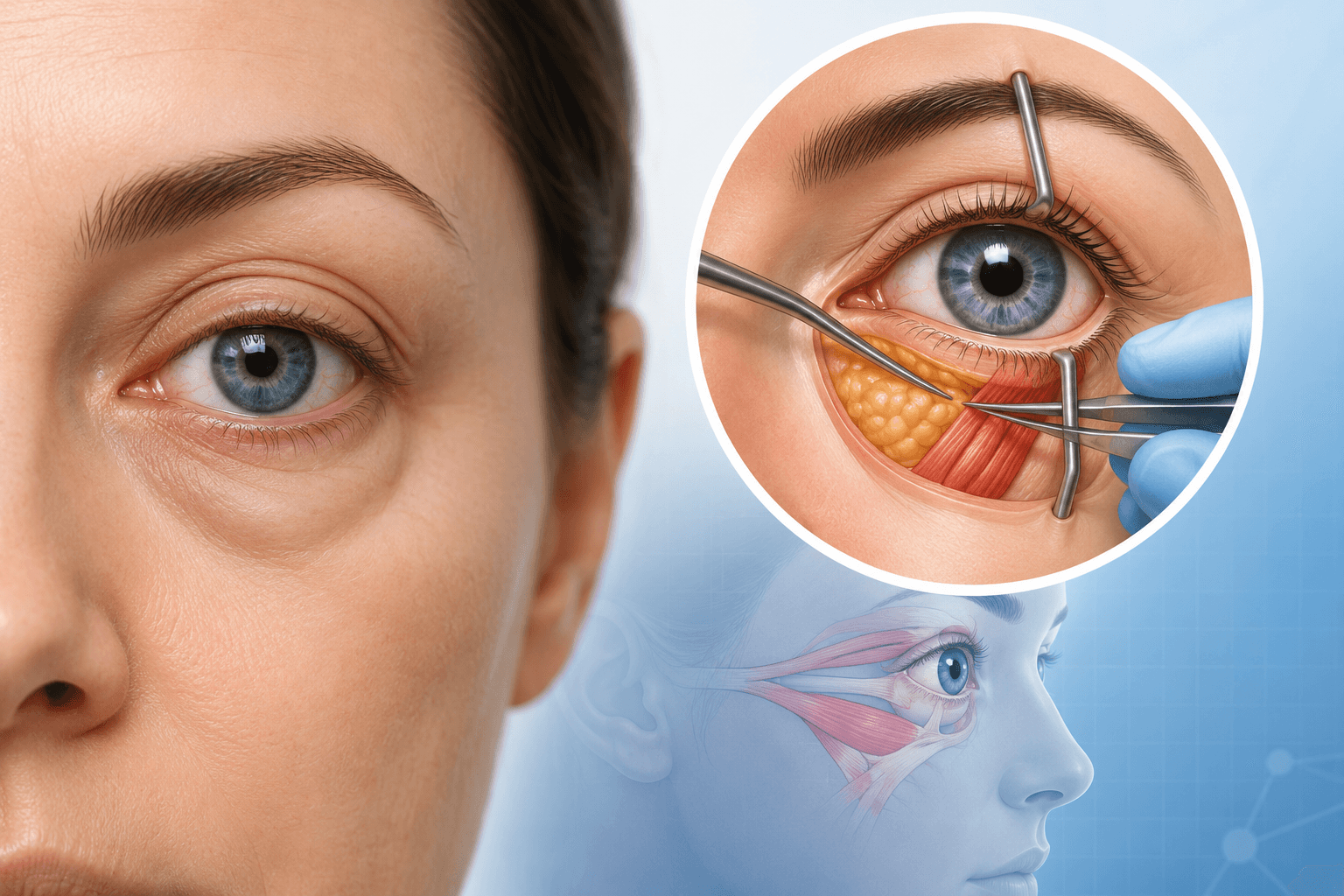
Surgery for Thyroid Eye Disease: When Is It Needed?
Most thyroid eye disease is managed without surgery — but for some patients, it's the best way to protect vision and restore comfort. Here's when it's considered.
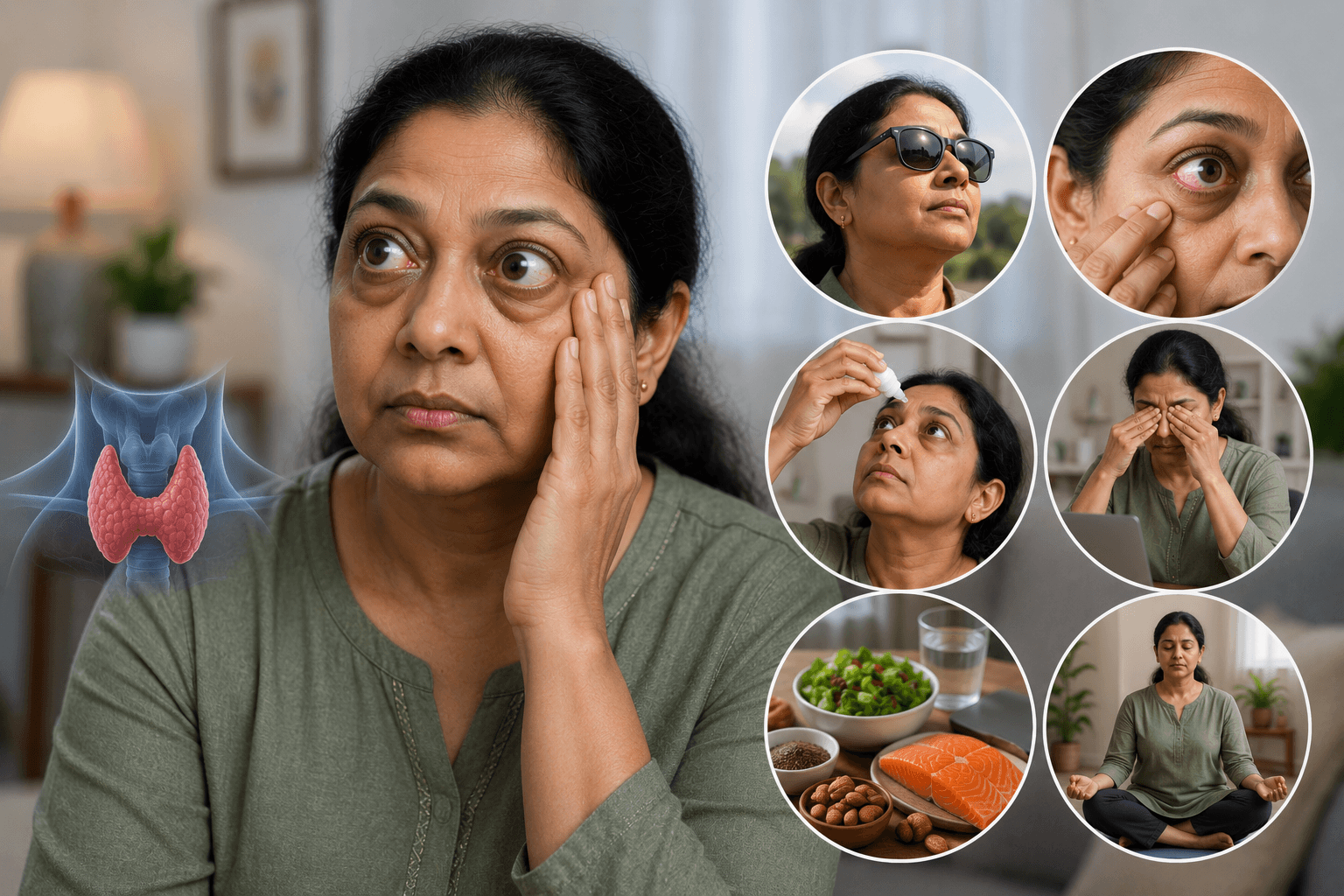
Living With Thyroid Eye Disease: Treatment Options Explained
From lubricating drops to biologic therapy, here's the full range of non-surgical treatment options for managing thyroid eye disease day to day.
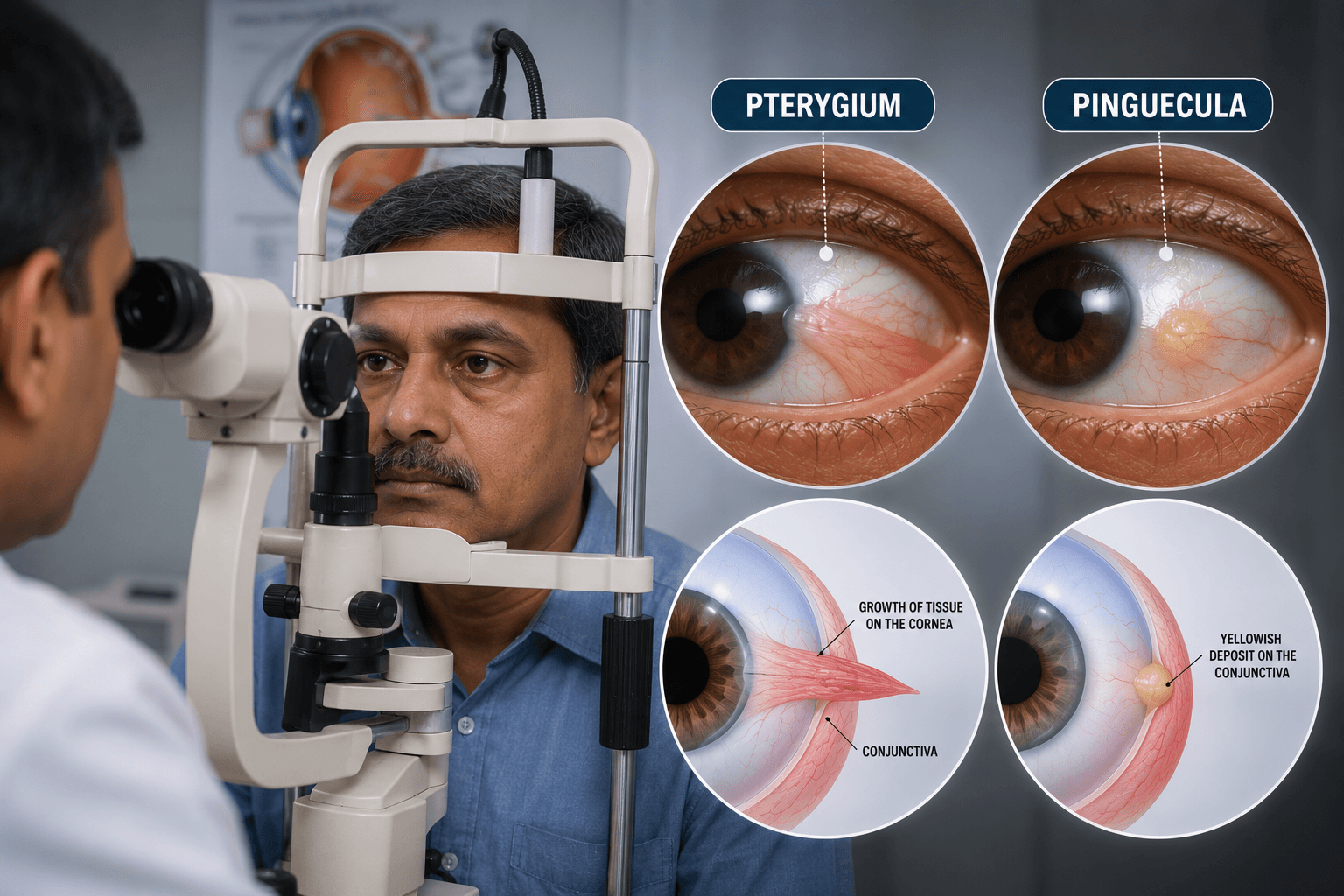
Pterygium vs. Pinguecula: What Is the Difference?
Both are UV-related growths on the eye's surface, but only one can spread onto the cornea and affect vision. Here's how to tell them apart.
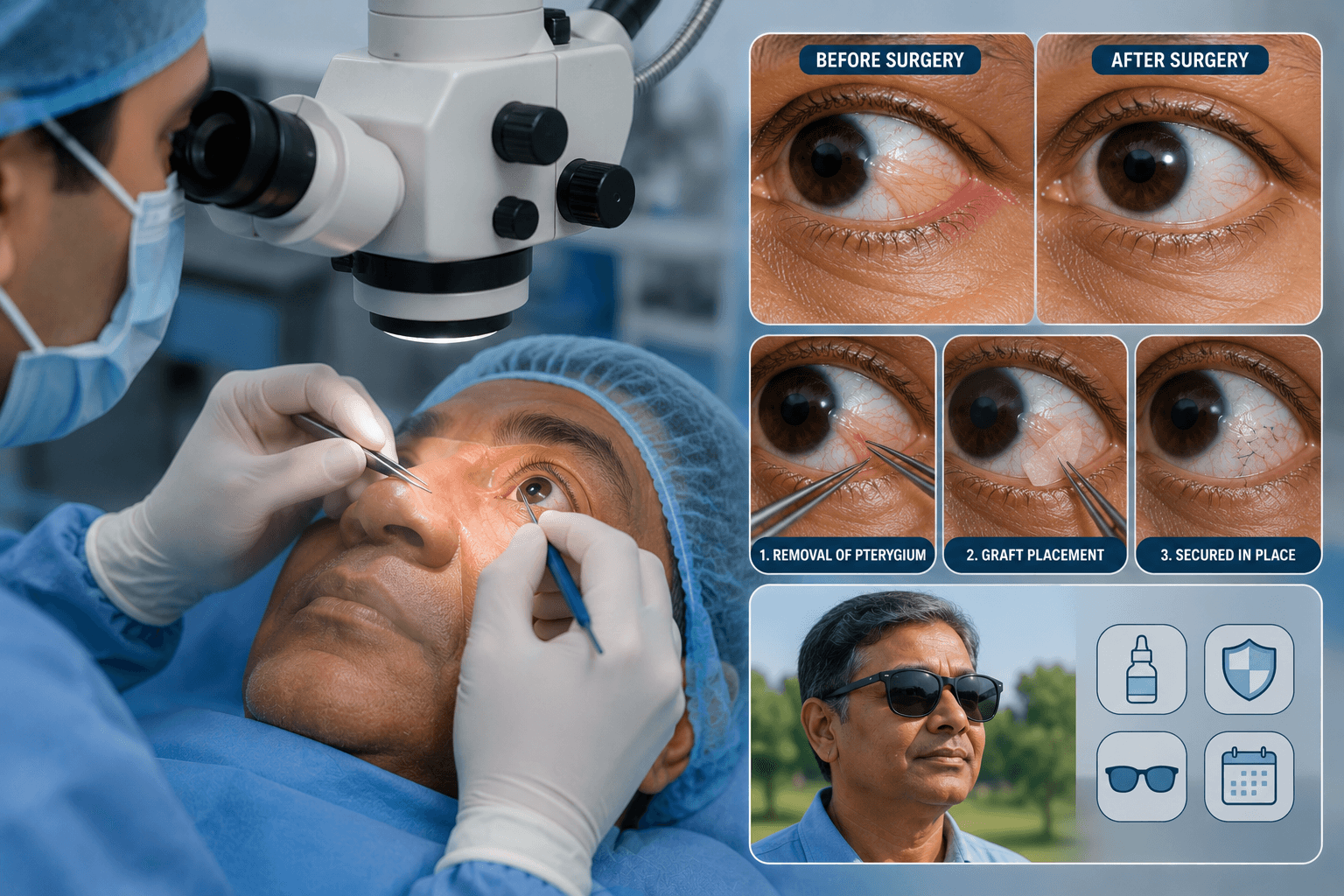
Pterygium Surgery: What to Expect Before, During and After
If a pterygium is affecting your vision or comfort, surgery can remove it. Here's exactly what to expect — from your pre-op assessment to full recovery.
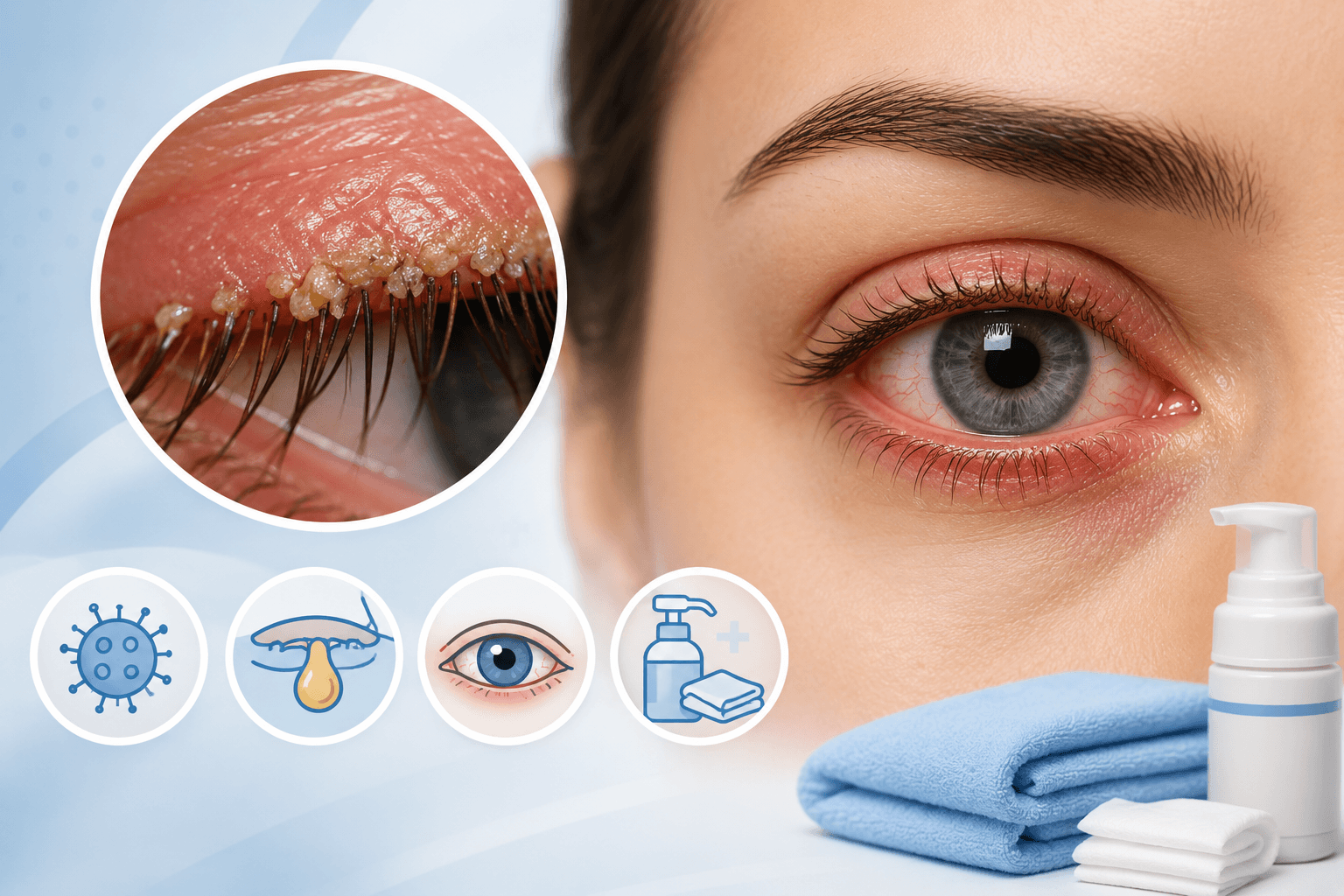
Blepharitis: Causes, Symptoms, and How an Ophthalmologist Can Help
Red, crusty, irritated eyelids in the morning? It's probably blepharitis. Here's what causes it, the warning signs, and effective ways to manage it.
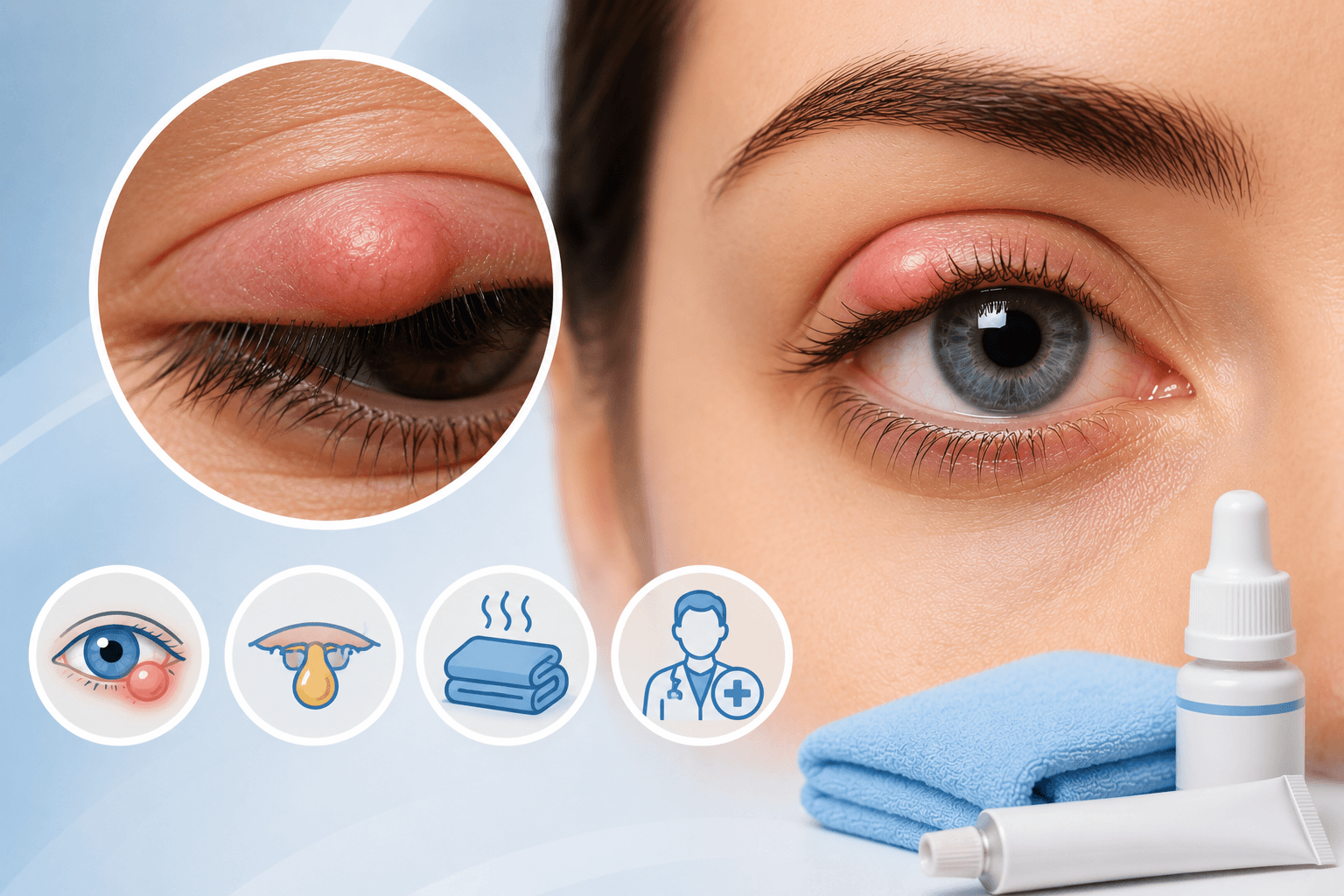
Chalazion That Won't Go Away: What Are Your Options?
Most chalazia clear up with warm compresses, but some persist for weeks. Here's when home care is enough, and when to consider an in-clinic procedure.
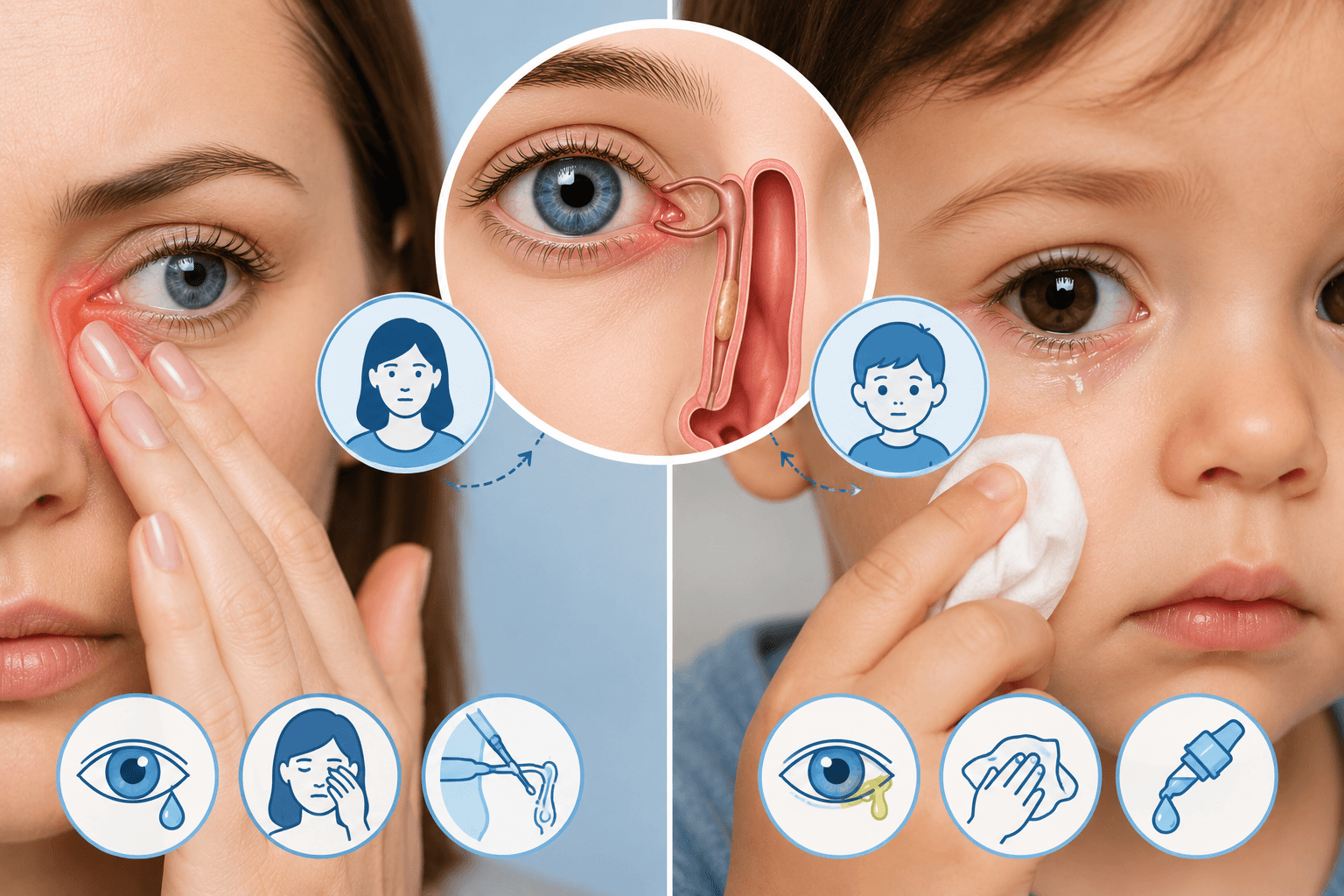
Blocked Tear Duct in Adults vs Children: What Is the Difference?
A blocked tear duct usually resolves on its own in babies — but in adults, it's a different story. Here's how causes and treatment differ by age.
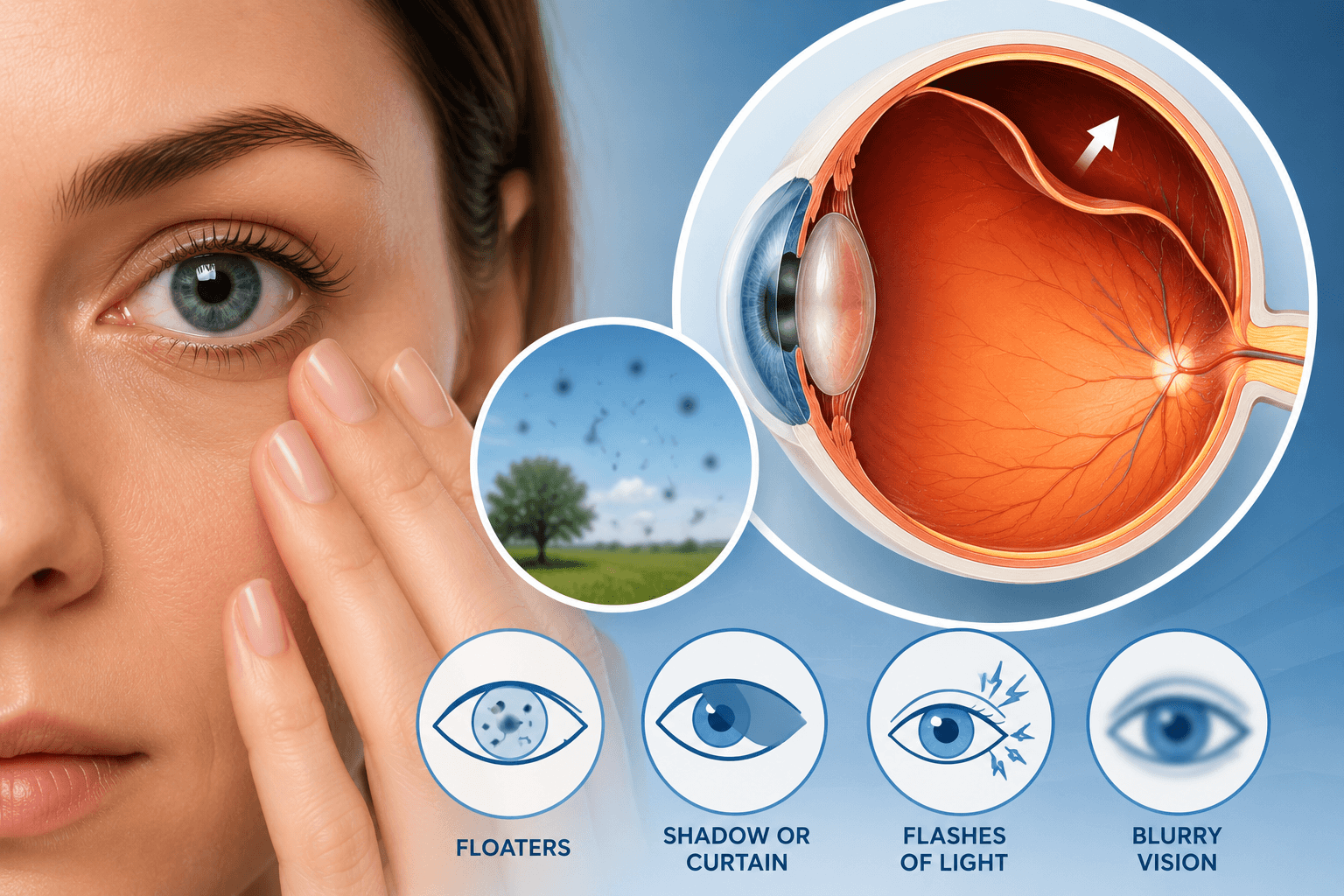
Retinal Detachment: Early Signs You Should Never Ignore
Retinal detachment is usually painless, which is exactly why it's dangerous. The five warning signs that mean you need to see an ophthalmologist the same day.
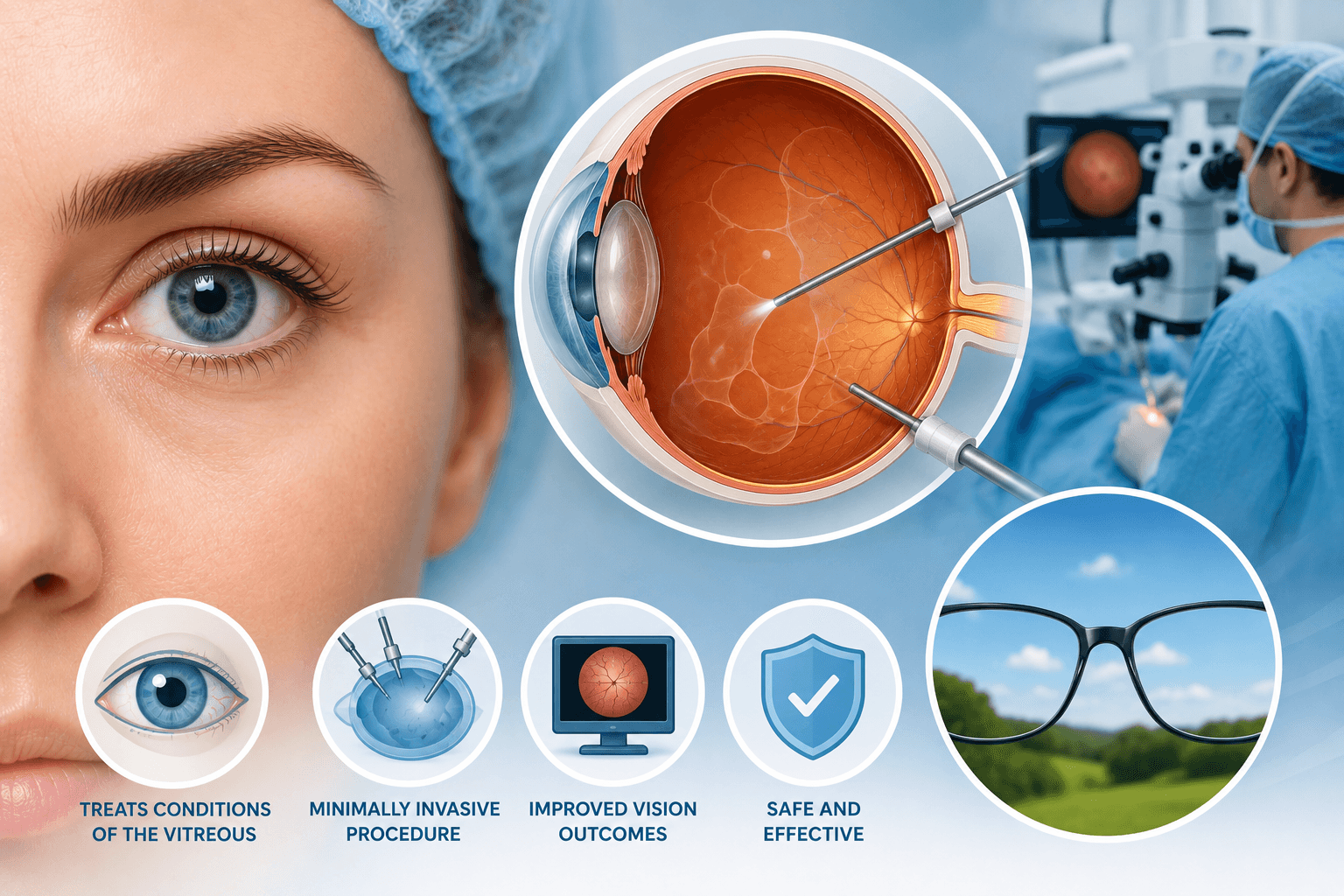
Vitrectomy: What You Need to Know
Vitrectomy treats serious retinal conditions like detachment, macular holes and vitreous bleeding. Here's what the procedure involves and what recovery looks like.
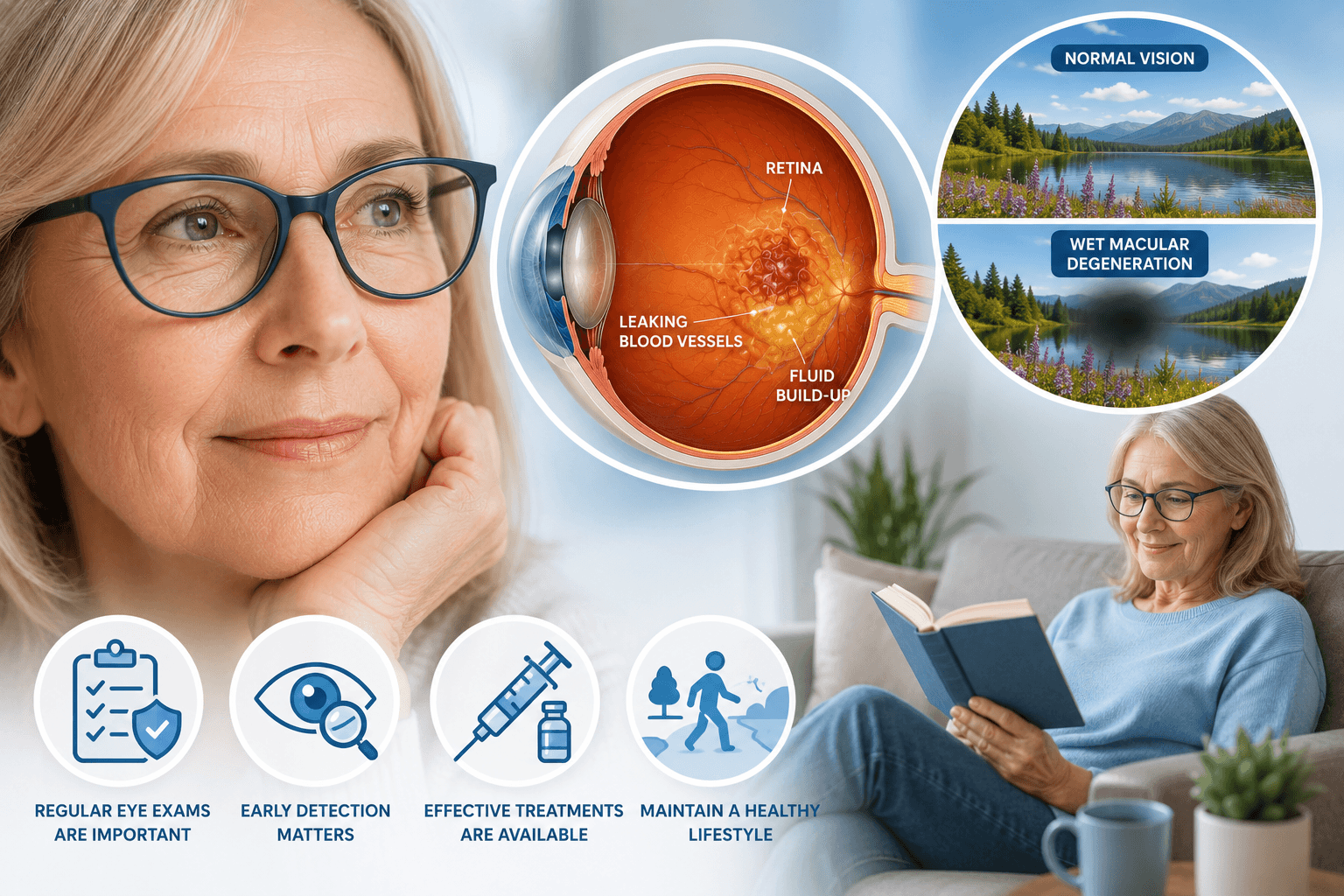
Living With Wet Macular Degeneration: Treatment Options & Lifestyle Tips
A wet AMD diagnosis doesn't have to mean losing your independence. Treatment options plus practical lifestyle adjustments that genuinely help.
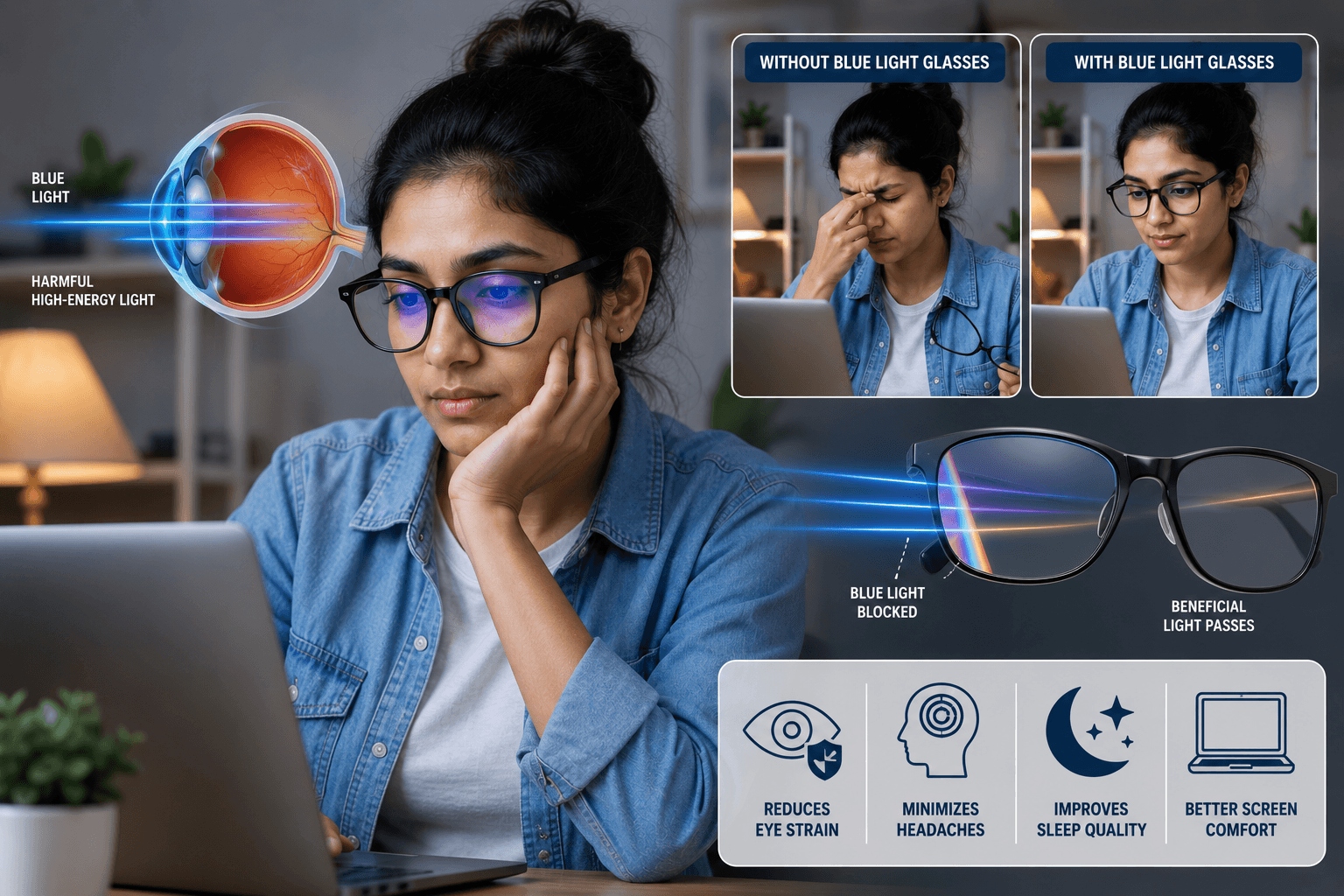
Blue Light Glasses: Do They Actually Work, or Is It Marketing?
Blue light glasses promise less eye strain and better sleep. Here's what the evidence actually shows — and the habits that genuinely help more.
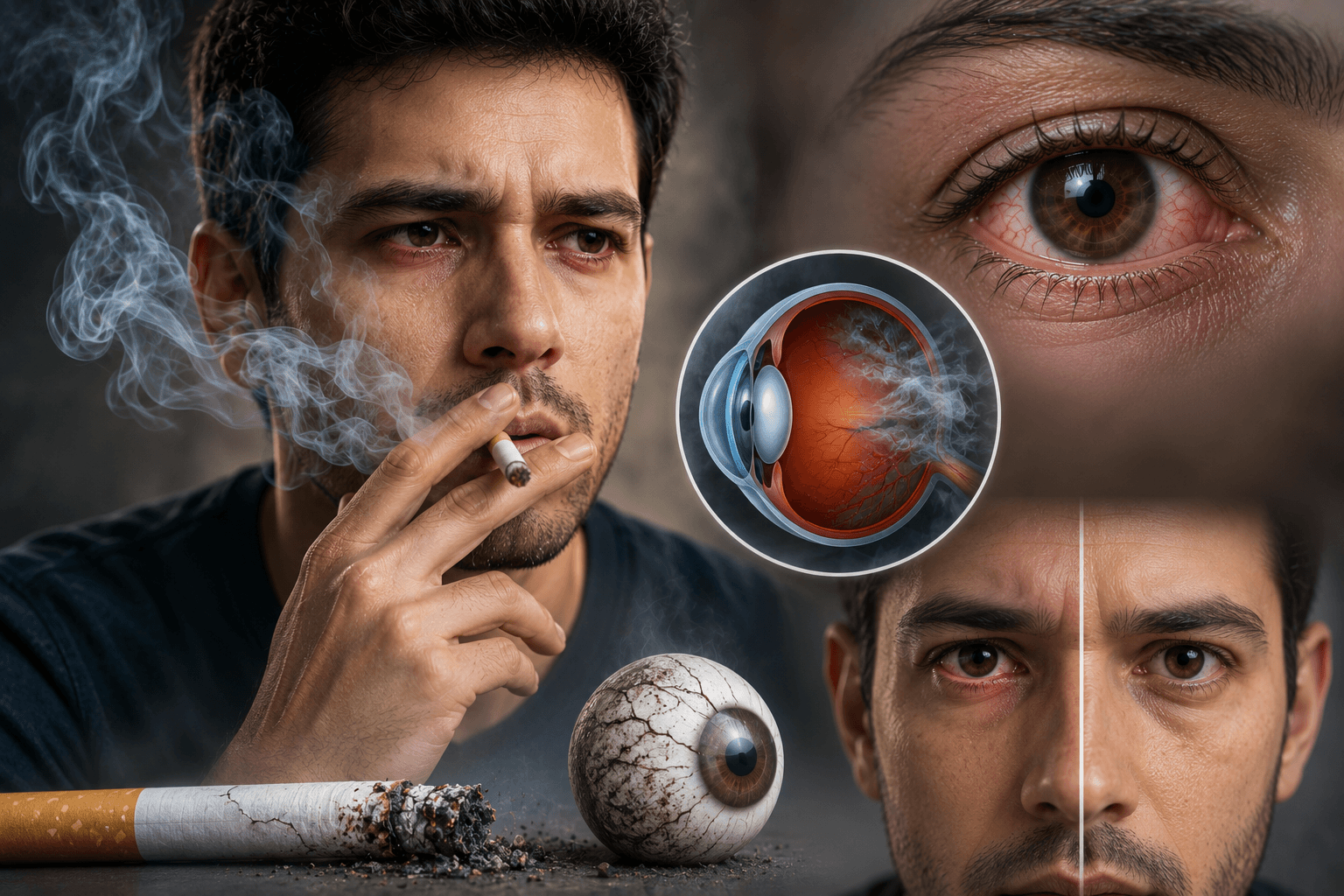
Smoking and Your Eyes: The Serious Risks Most People Don't Know About
Smoking doesn't just affect your lungs and heart — it accelerates AMD, cataracts, dry eye and more. Here's how, and why quitting protects your sight.
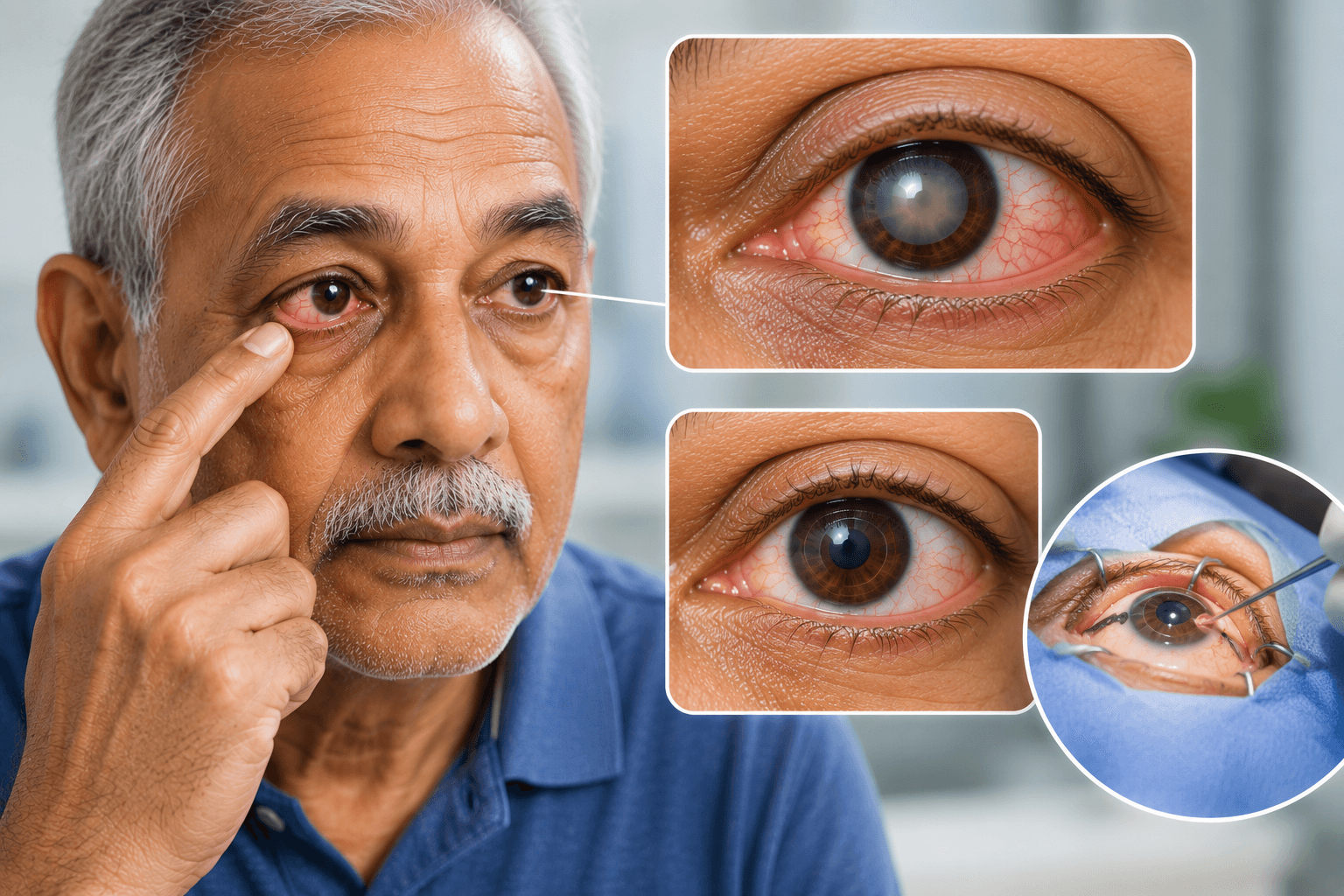
Bloodshot Eyes After Cataract Surgery: Causes, Recovery & When to Seek Help
A red eye after cataract surgery looks alarming but is usually harmless. Here's what causes it, the realistic recovery timeline, and the warning signs to watch for.

Nystagmus: Symptoms, Causes, and Effective Treatment Options
Nystagmus causes involuntary, repetitive eye movements that affect vision and balance. Here's what causes it, how it's diagnosed, and the treatment options available.
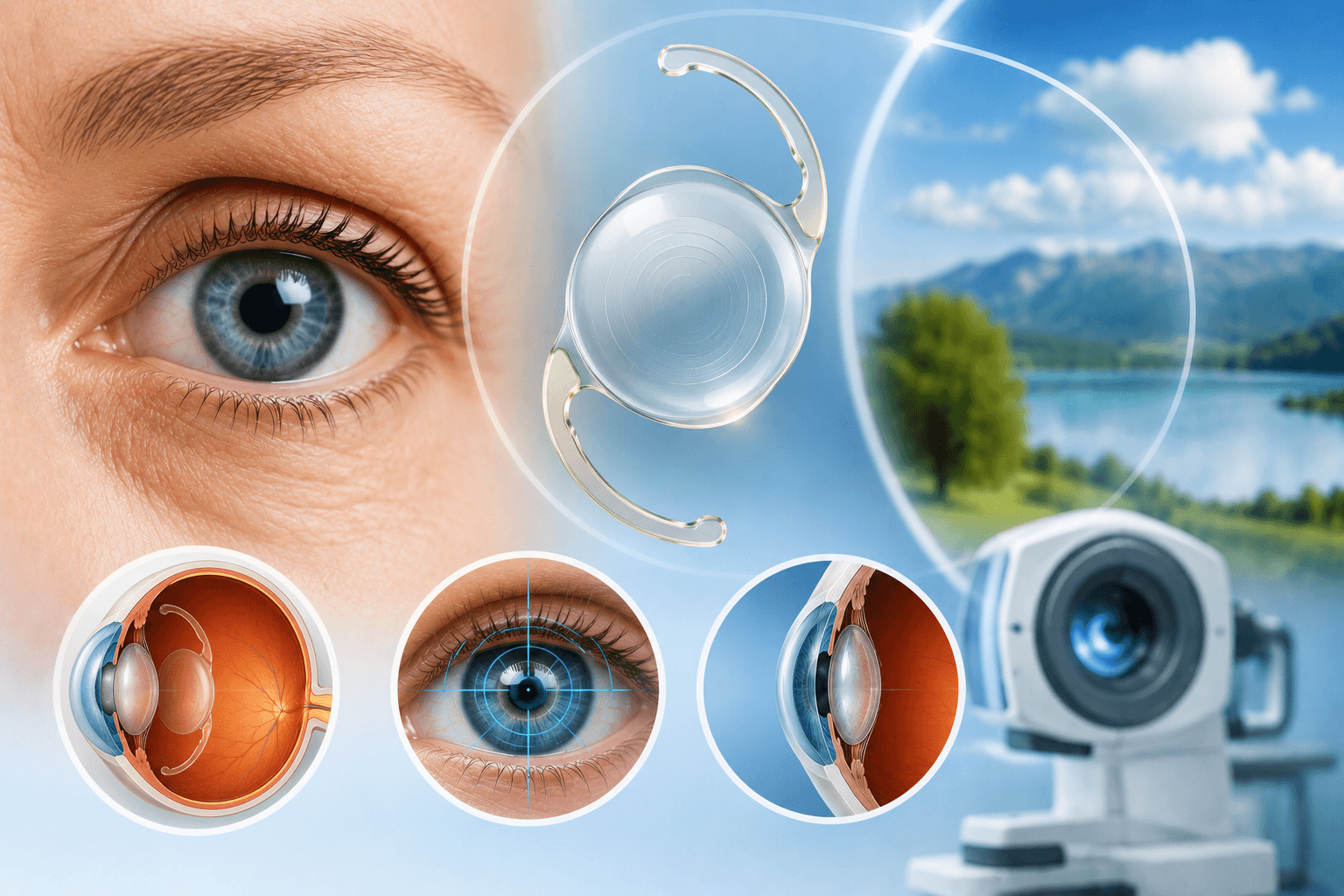
Premium Intraocular Lenses (IOLs): Enhancing Vision Post-Cataract Surgery
Standard IOLs correct distance vision; premium IOLs can reduce your need for glasses altogether. Types, who they suit, costs and what recovery looks like.
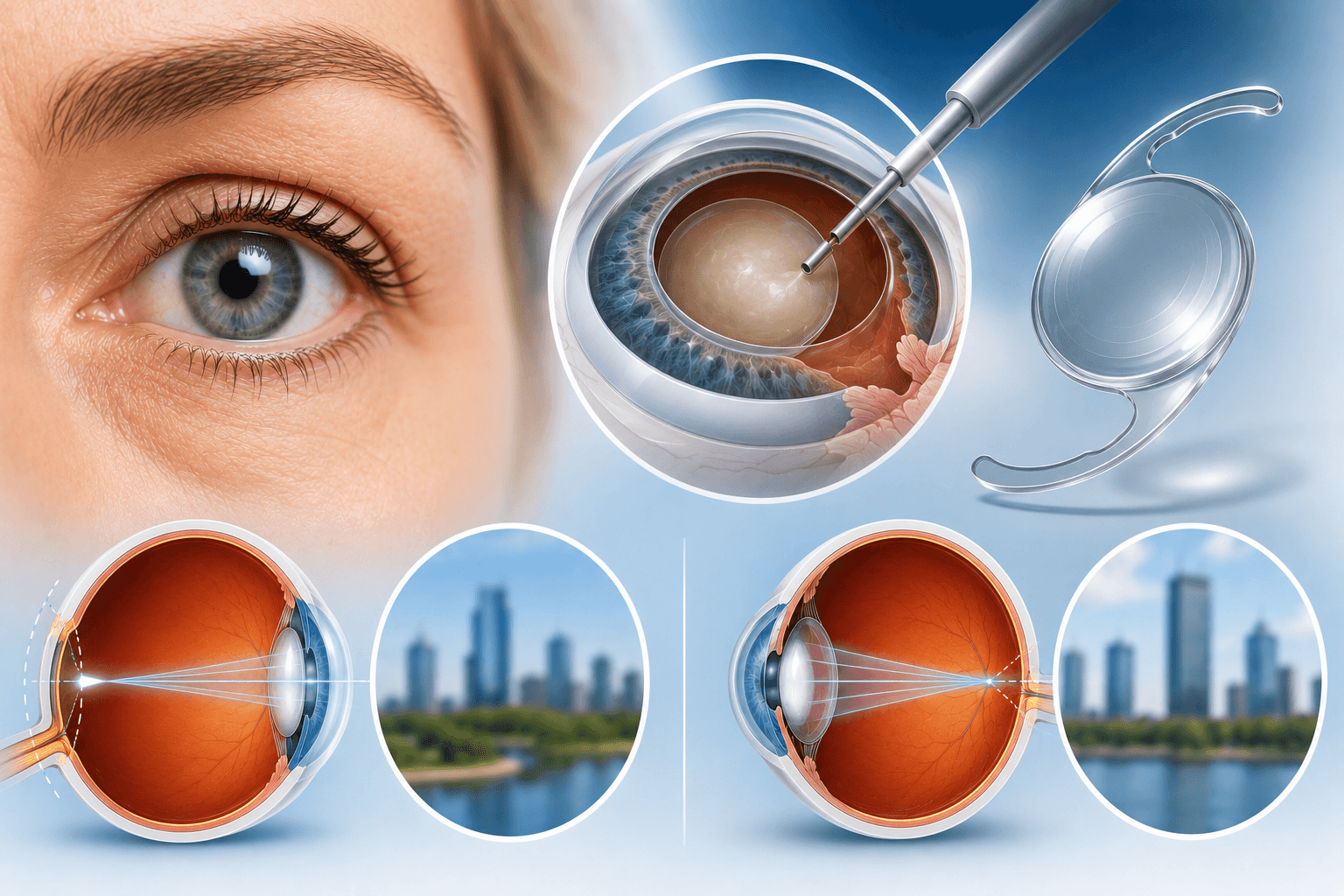
Cataract Surgery for High Myopia, Hyperopia and Other Refractive Errors
Long or short eyes need more careful planning for cataract surgery. Why refractive extremes matter, the added precautions taken, and what outcomes to expect.
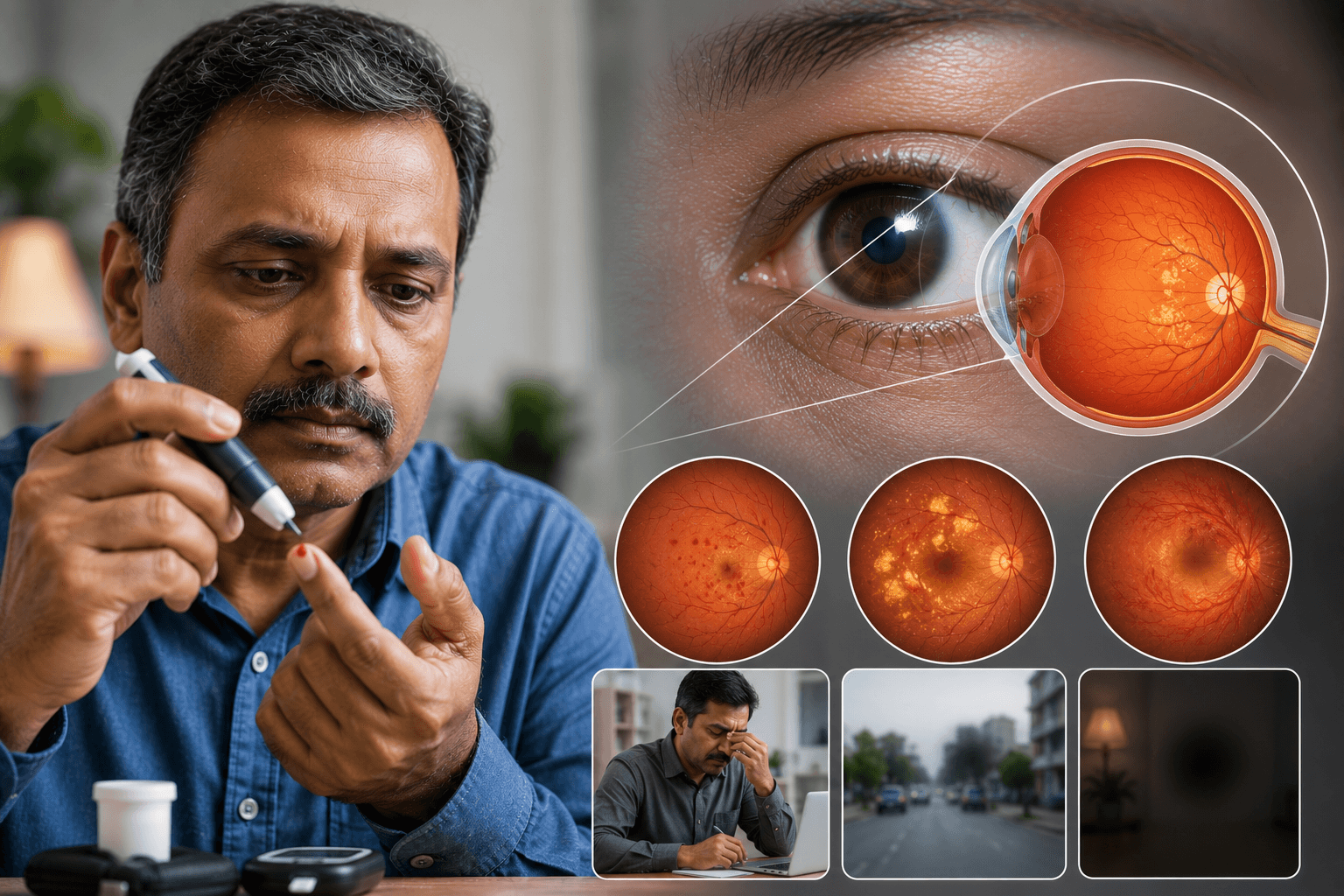
Diabetes and Your Eyes: What You Need to Know
Diabetes can affect your eyes long before it affects your vision. The four key conditions to know about, warning signs, and how to protect your sight.
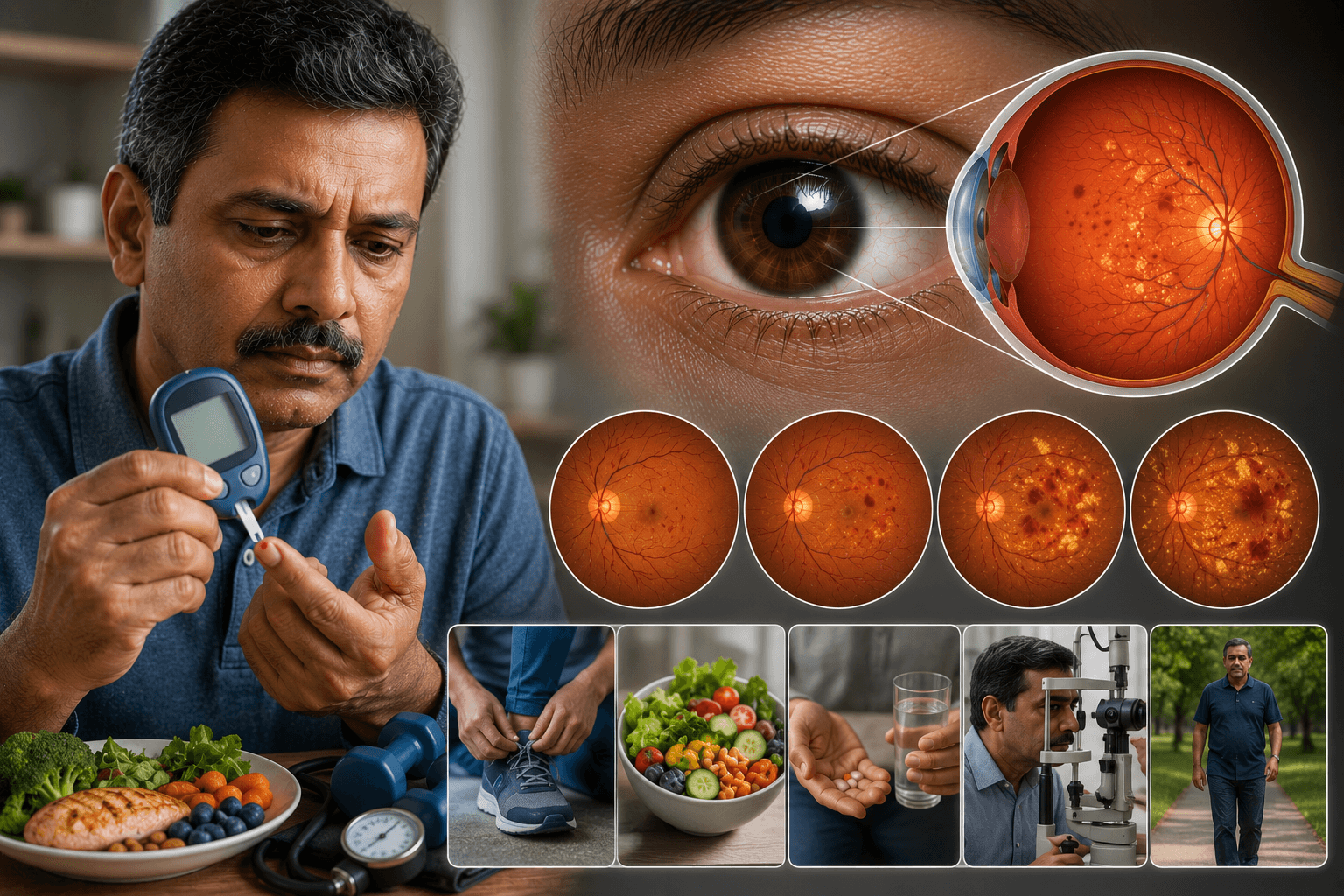
Diabetic Eye Disease: How to Prevent Vision Loss
Most diabetic eye disease is preventable with the right habits and screening schedule. The concrete steps that make the biggest difference to your long-term vision.
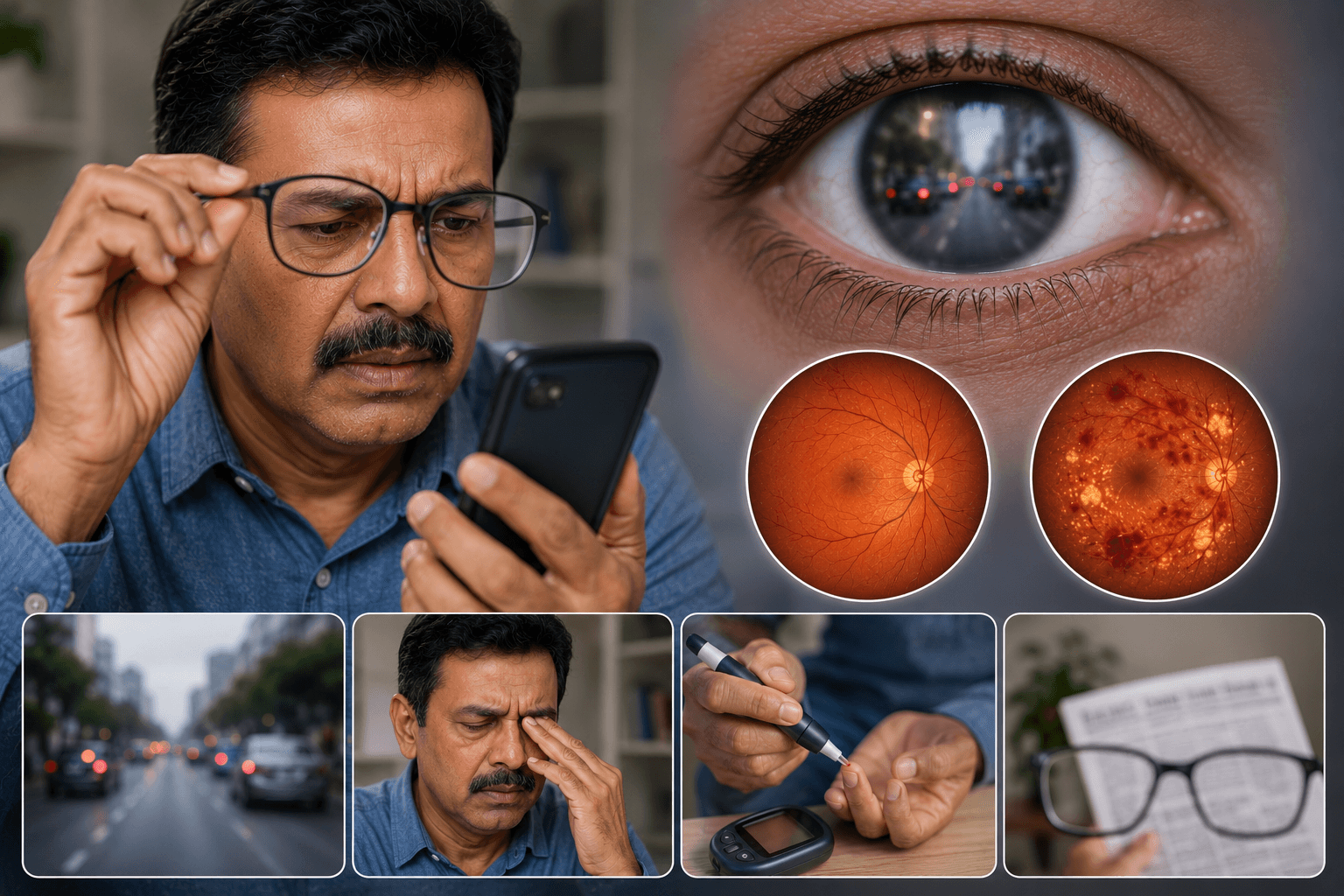
What to Know About Blurry Vision and Diabetes
Blurry vision can be one of the earliest signs of diabetes, or a sign your blood sugar needs attention. The five causes, and how to tell what's behind yours.

Can You Have Cataract Surgery in Both Eyes at the Same Time?
Both eyes affected by cataracts doesn't always mean both eyes operated on the same day. Here's when same-day surgery makes sense — and when it doesn't.

What Does Vision Look Like with Cataracts?
Cataracts change your vision gradually and in very specific ways. Here's what patients actually describe seeing — and how it differs from other conditions.

What to Know About Posterior Subcapsular Cataracts
Posterior subcapsular cataracts affect the back of the lens and often progress faster than other types. What sets them apart and how they're treated.
Cataract Surgery Recovery: Week-by-Week Guide
A clear, week-by-week guide covering vision changes, activity restrictions, drops routine and when to call your surgeon after cataract surgery.
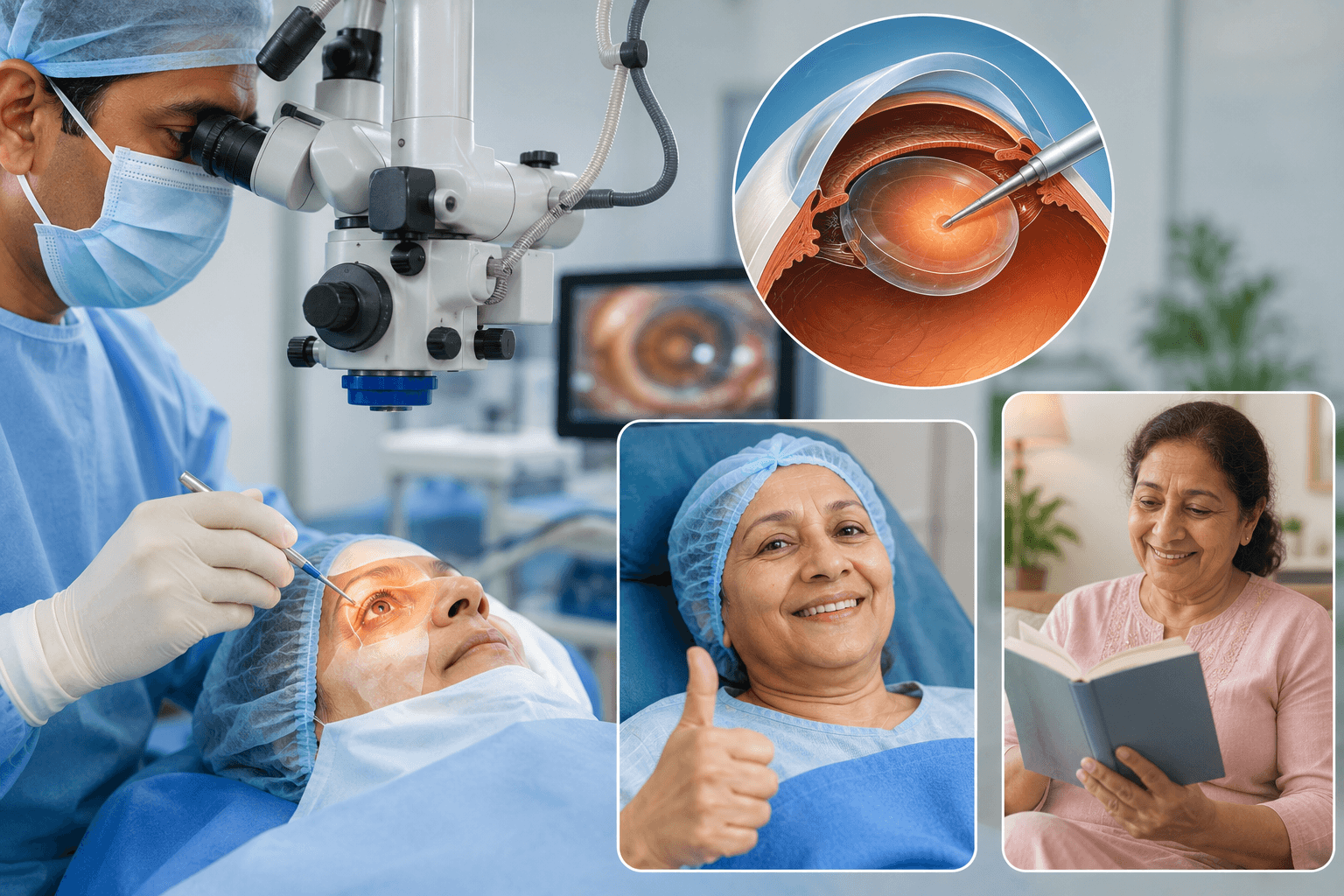
Is Cataract Surgery Painful?
Most people are surprised by how little discomfort they feel during or after cataract surgery. Here's exactly what to expect — and when to seek help.
Cataract Surgery: A Detailed Guide
Everything you need to know about cataract surgery in one place — how it works, what the procedure involves, lens options, costs, recovery and long-term outcomes.
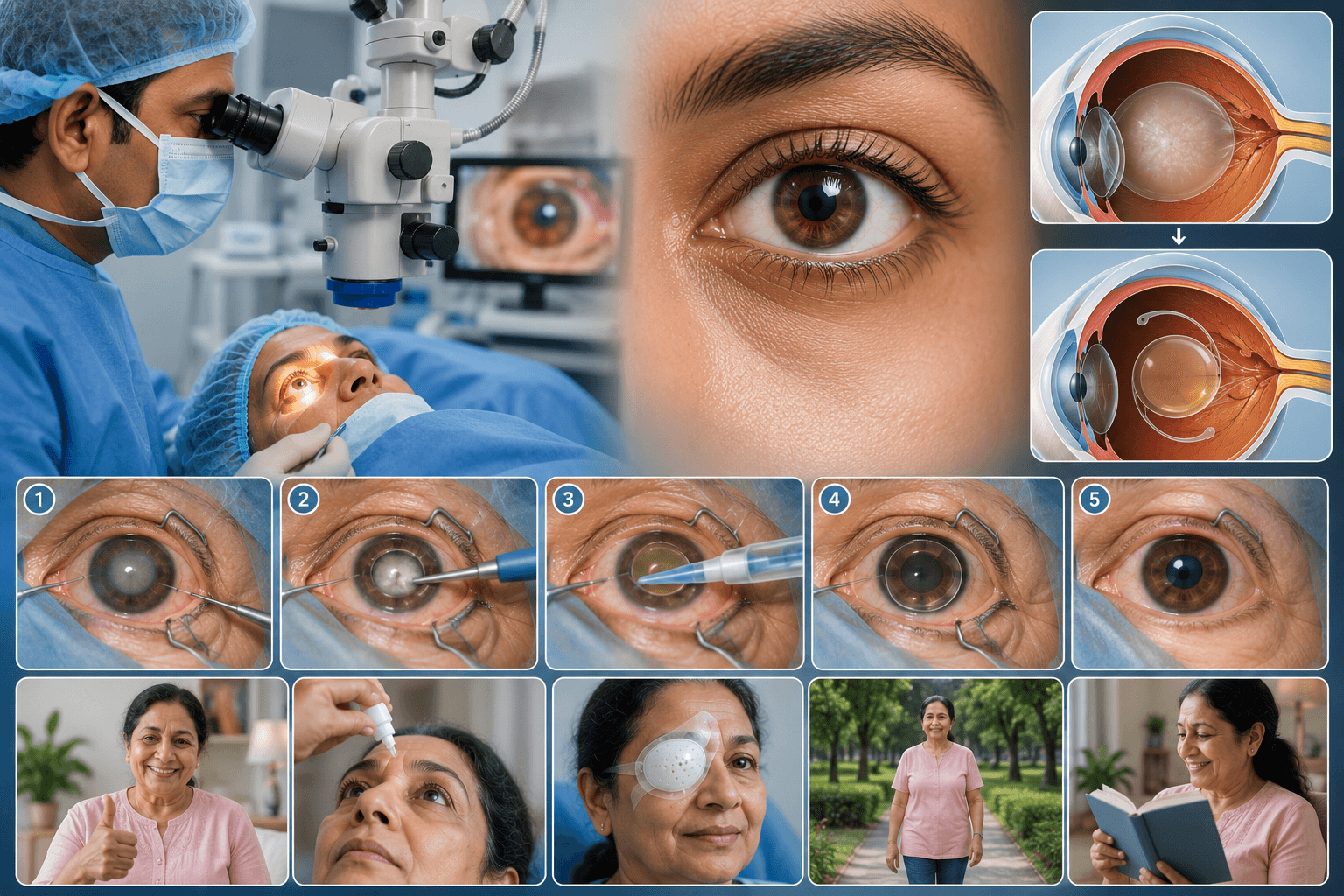
Cataract Surgery: Private or Public? How to Choose
Australia's public hospital system can treat cataracts, but wait times vary. How private and public cataract surgery compare on cost, timing and lens choice.
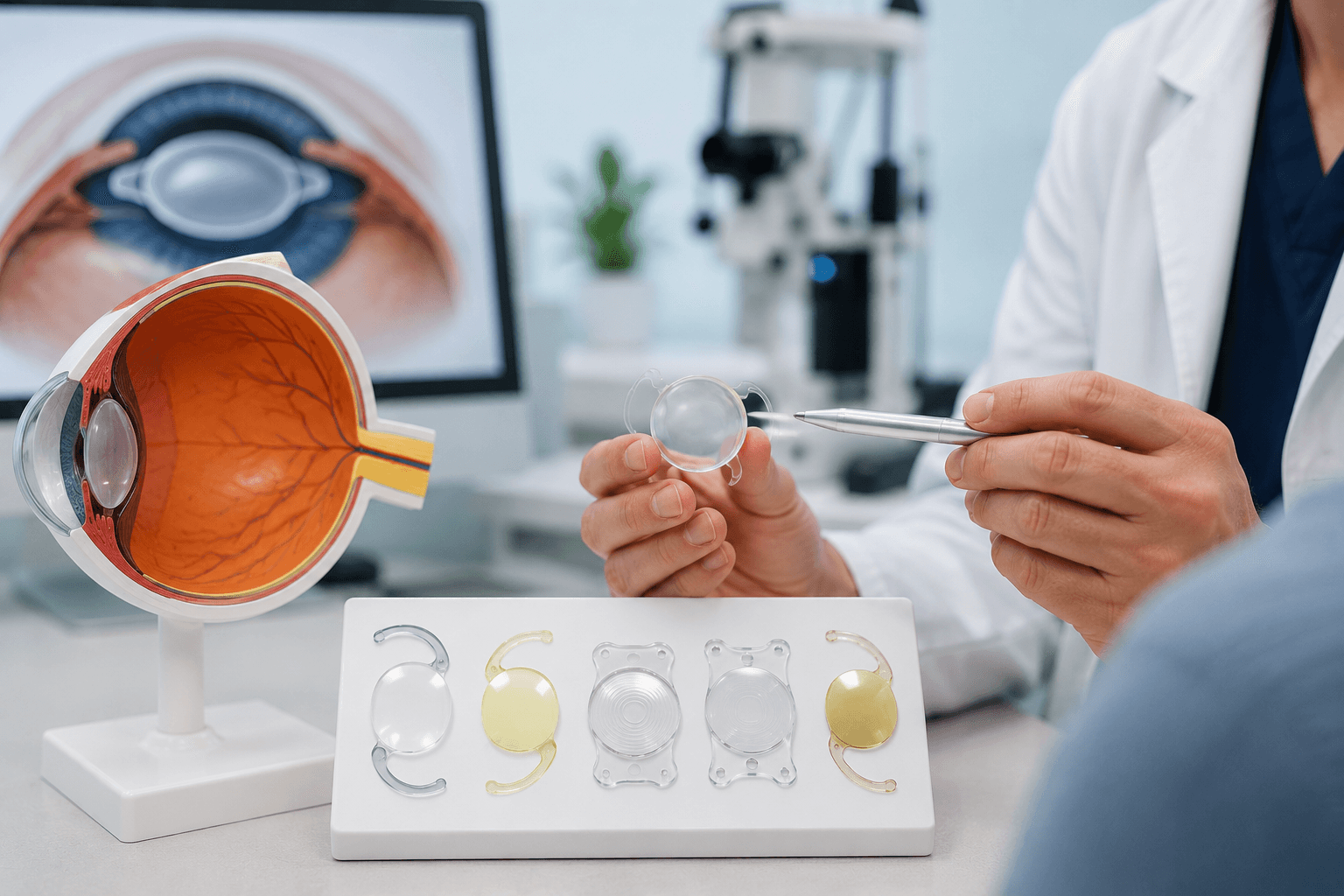
IOL Cataract Surgery Guide: Choosing the Right Intraocular Lens
The intraocular lens you choose during cataract surgery determines your vision for life. A complete guide to every type — monofocal, multifocal, EDOF and toric.

How to Choose a Cataract Surgeon: A Comprehensive Guide
Choosing the right cataract surgeon matters as much as the procedure itself. What qualifications and experience to look for — and the red flags to avoid.
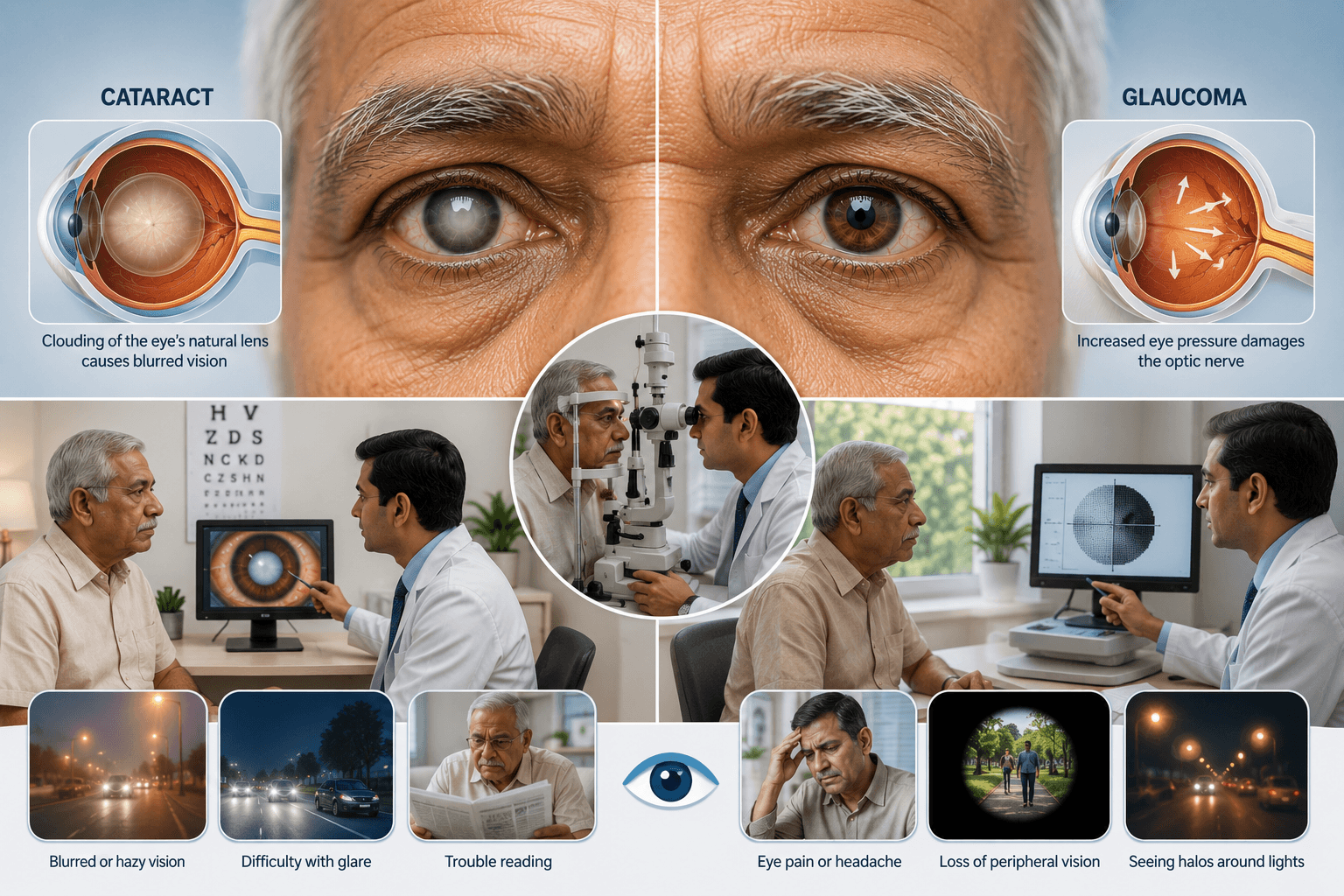
Cataract and Glaucoma: What Happens When You Have Both?
Having both cataracts and glaucoma at the same time complicates surgical planning — but also creates an opportunity to treat both conditions in one procedure.
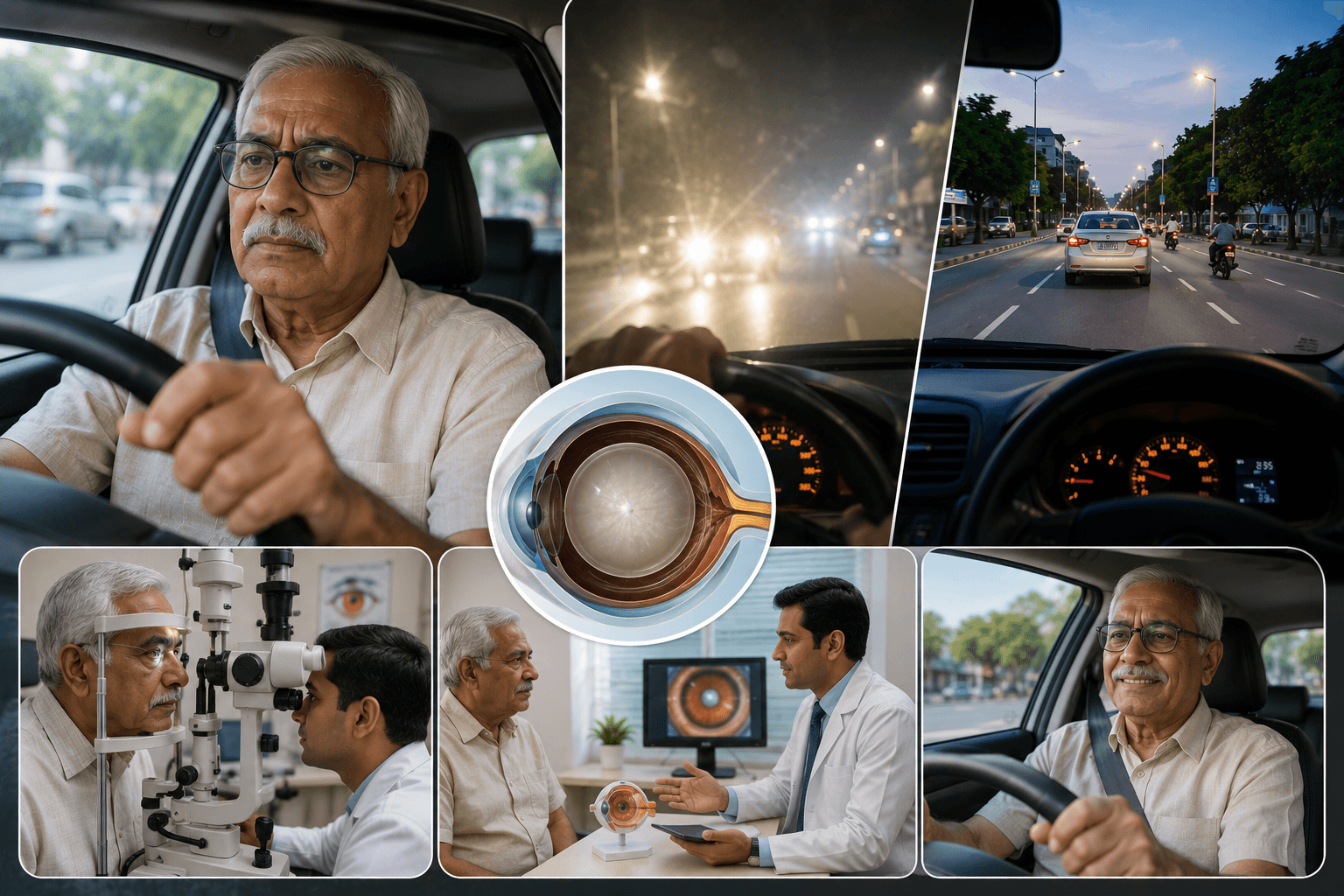
Cataracts and Driving: When Is It No Longer Safe?
Cataracts can make driving dangerous — especially at night. Australia's visual standards for drivers, how to assess your own risk, and what surgery changes.
Cataracts and Diabetes: What Diabetic Patients Need to Know
People with diabetes develop cataracts earlier and more frequently. Here's what's different about diabetes-related cataracts — and how it affects surgical planning.

The Role of Eye Injections in Treating Age-Related Macular Degeneration (AMD)
Anti-VEGF eye injections have transformed the treatment of wet AMD. How they work, what to expect from the treatment cycle, and the evidence behind long-term outcomes.

The Role of Eye Injections in Diabetic Retinopathy
Anti-VEGF injections are now a first-line treatment for diabetic macular oedema. How they protect vision, who needs them, and how they fit into the broader treatment plan.

Managing Retinal Vein Occlusion with Eye Injections
Retinal vein occlusion can cause sudden, significant vision loss. Here's how anti-VEGF injections and other treatments help preserve and restore vision.
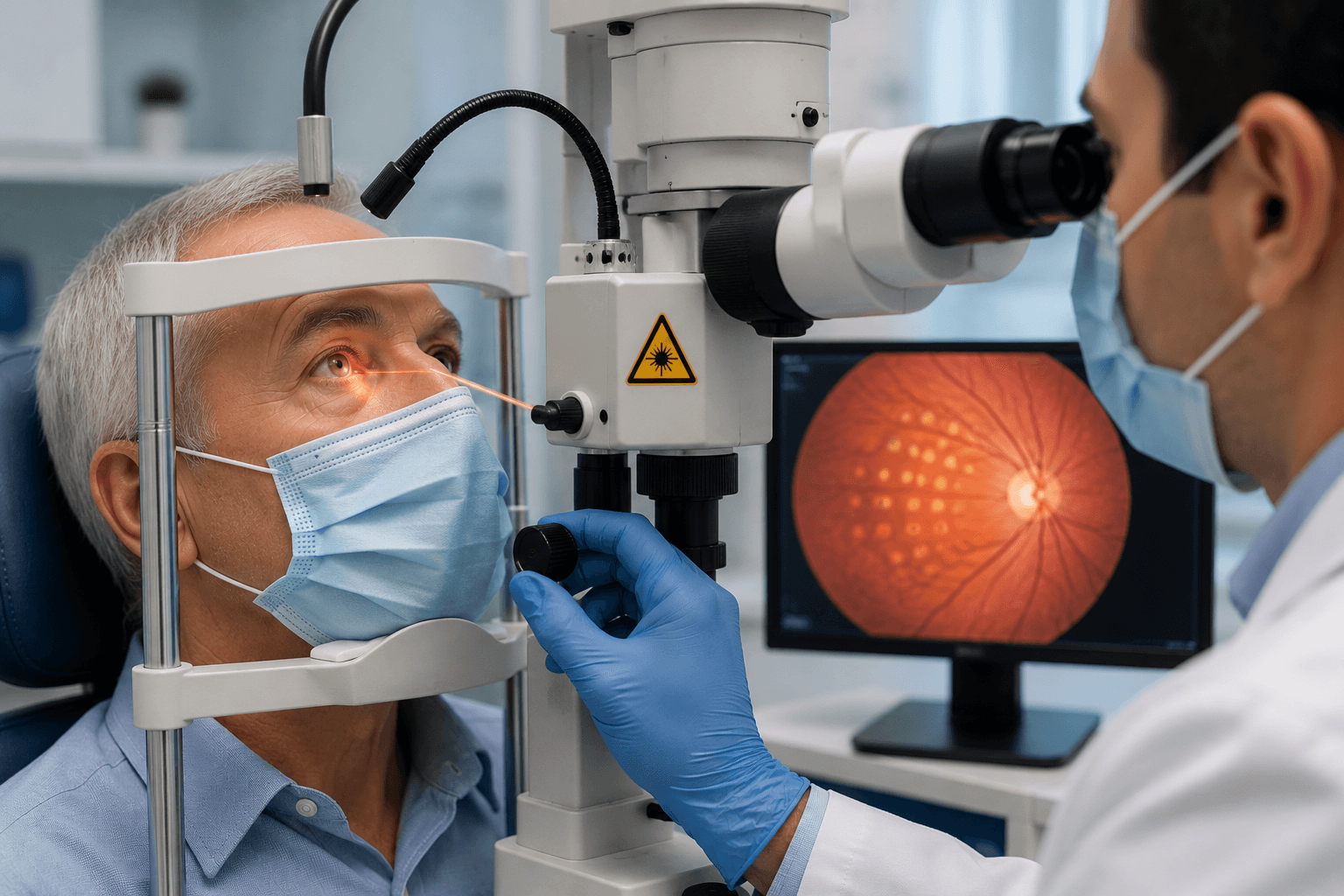
Laser Treatment for Diabetic Retinopathy: What to Expect
Laser photocoagulation has been treating diabetic retinopathy for decades. When it's recommended, how the procedure works, and how it compares to eye injections.
Retinal Detachment: Causes, Symptoms and Treatment
Retinal detachment is a medical emergency. Everything you need to know — causes, warning signs, treatment options and what recovery looks like.
Understanding Retinal Tears and Holes
Retinal tears and holes don't always cause symptoms, but they can lead to detachment if left untreated. How they're detected and treated before that happens.
Understanding Central Retinal Vein Occlusion (CRVO)
CRVO causes sudden vision loss when the central vein of the retina becomes blocked. Causes, symptoms, treatment options and what recovery looks like.
Understanding Branch Retinal Vein Occlusion (BRVO)
BRVO is the most common form of retinal vein occlusion. How a blockage in a branch vein affects vision — and the treatments available to protect it.
Understanding Branch Retinal Artery Occlusion (BRAO)
BRAO is like a mini-stroke in part of the retina. Sudden vision loss or a visual field defect needs urgent assessment — here's why and what treatment involves.
Understanding Central Retinal Artery Occlusion (CRAO)
CRAO causes sudden, painless, profound vision loss and is a medical emergency. What causes it, why time is critical, and the treatments that may preserve vision.

Cataract Surgery in Children: Symptoms, Causes, Procedure & Recovery
Childhood cataracts are uncommon but can seriously affect visual development if untreated. How paediatric cataract surgery differs from adult surgery — and what parents should expect.

Paediatric Ophthalmology: Identifying and Treating Eye Conditions in Children
Children's eyes are still developing, and eye conditions in childhood can have lifelong consequences if missed. An overview of the most important conditions and how they're treated.
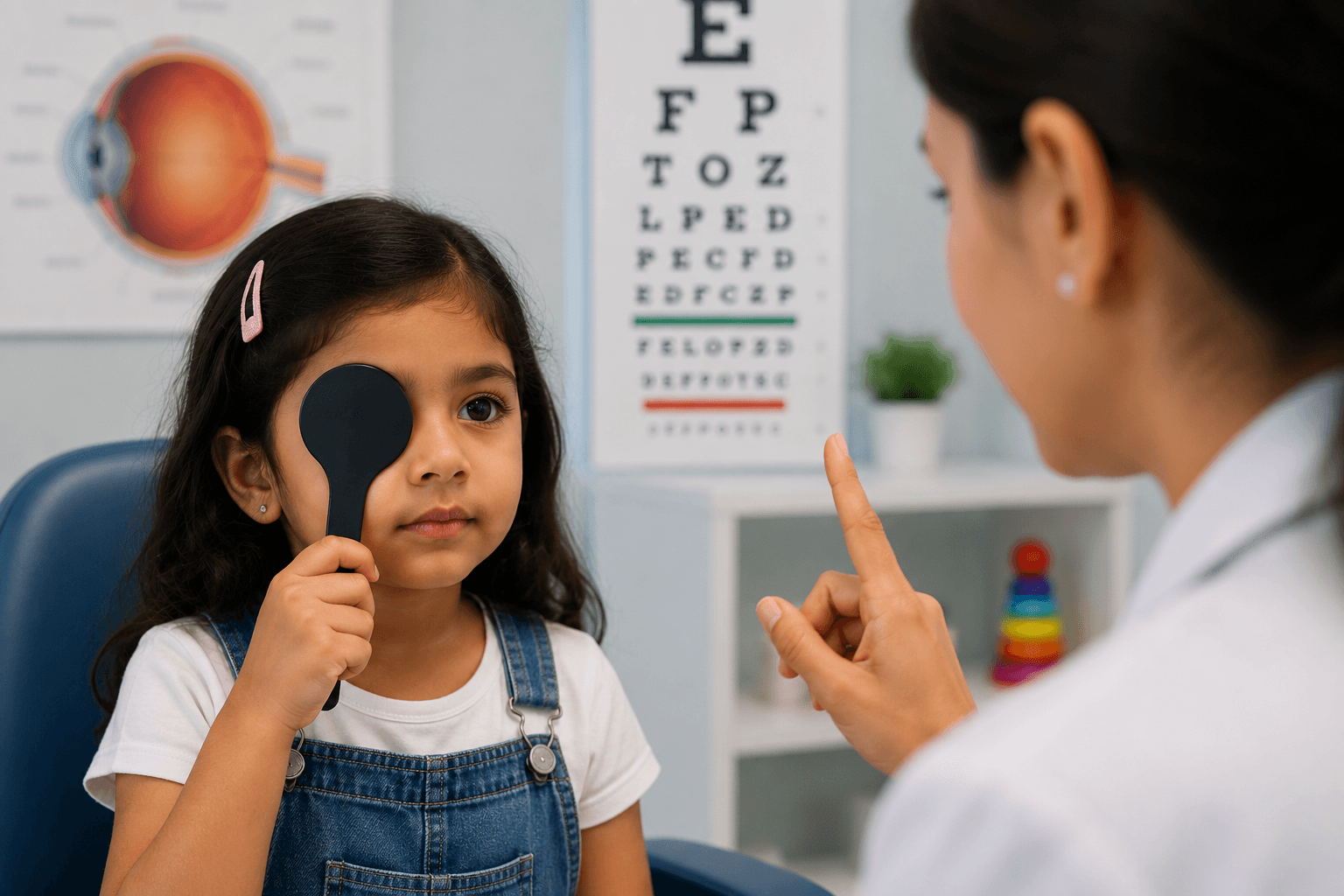
Amblyopia (Lazy Eye): Causes, Symptoms, Types, Diagnosis & Treatment
Amblyopia, or lazy eye, is the most common cause of visual impairment in children — and highly treatable when caught early. A complete guide for parents.

Are Prescription Glasses Effective for Treating Lazy Eye?
Glasses are often the first treatment for amblyopia — but are they enough on their own? What glasses can and can't do, and when patching or other treatments are needed.
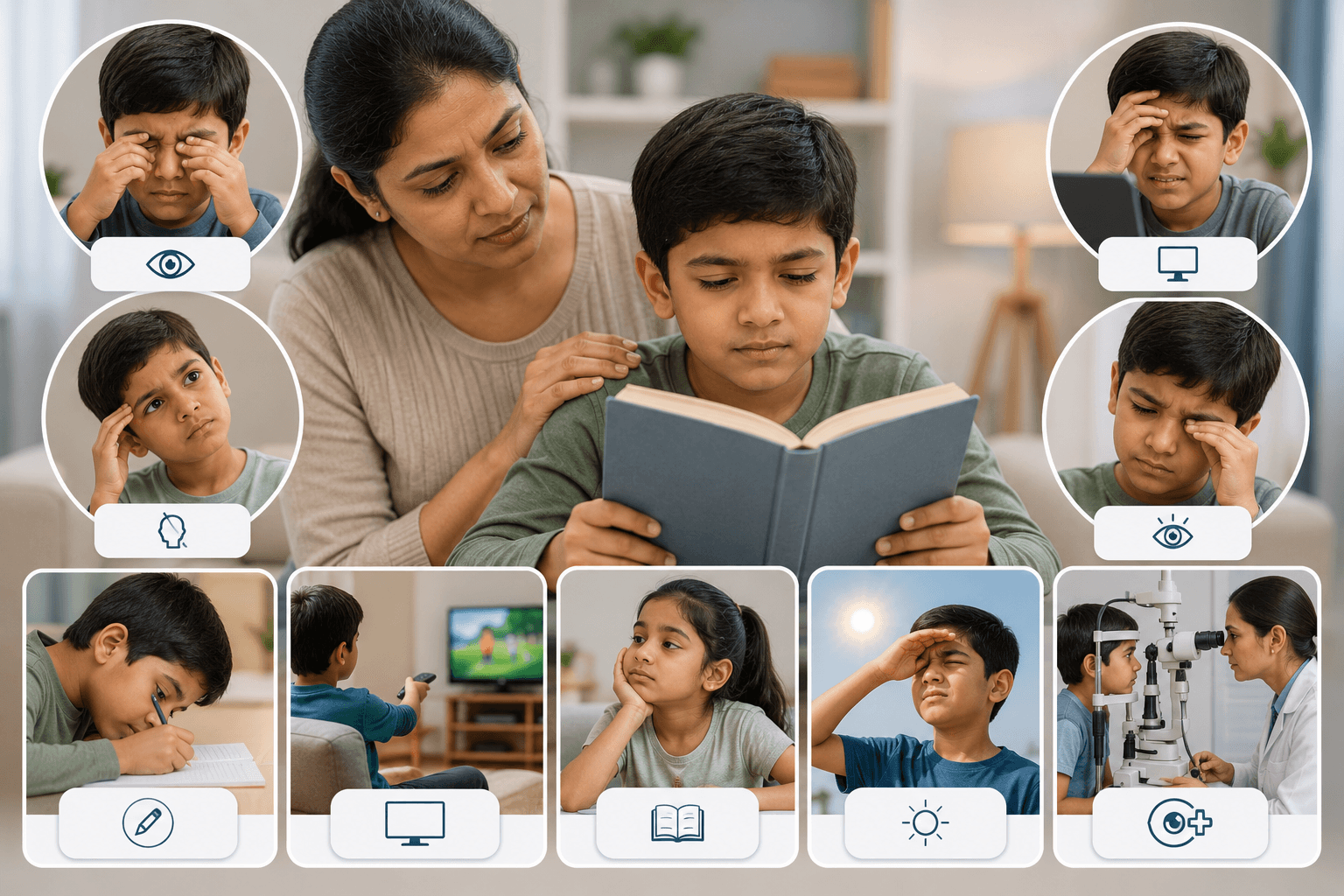
Tips for Parents: Recognising Signs of Vision Problems in Children
Children rarely complain about blurry vision — they simply don't know what clear vision looks like. The signs and behaviours that suggest a child's eyes need checking.

The Importance of Early Eye Examinations in Children
The visual system develops rapidly in the first years of life. Why early eye exams matter, when they should happen, and what an ophthalmologist looks for in young children.

Understanding Strabismus in Children: Causes, Treatment & What Parents Need to Know
Strabismus (crossed eyes) in children is more than a cosmetic issue — it can lead to amblyopia if untreated. A parent's guide to causes, diagnosis and treatment options.
Strabismus in Adults: Causes, Impact and Treatment Options
Adult strabismus can develop from childhood squints or appear for the first time in adulthood. What causes it, how it affects quality of life, and the treatment options.
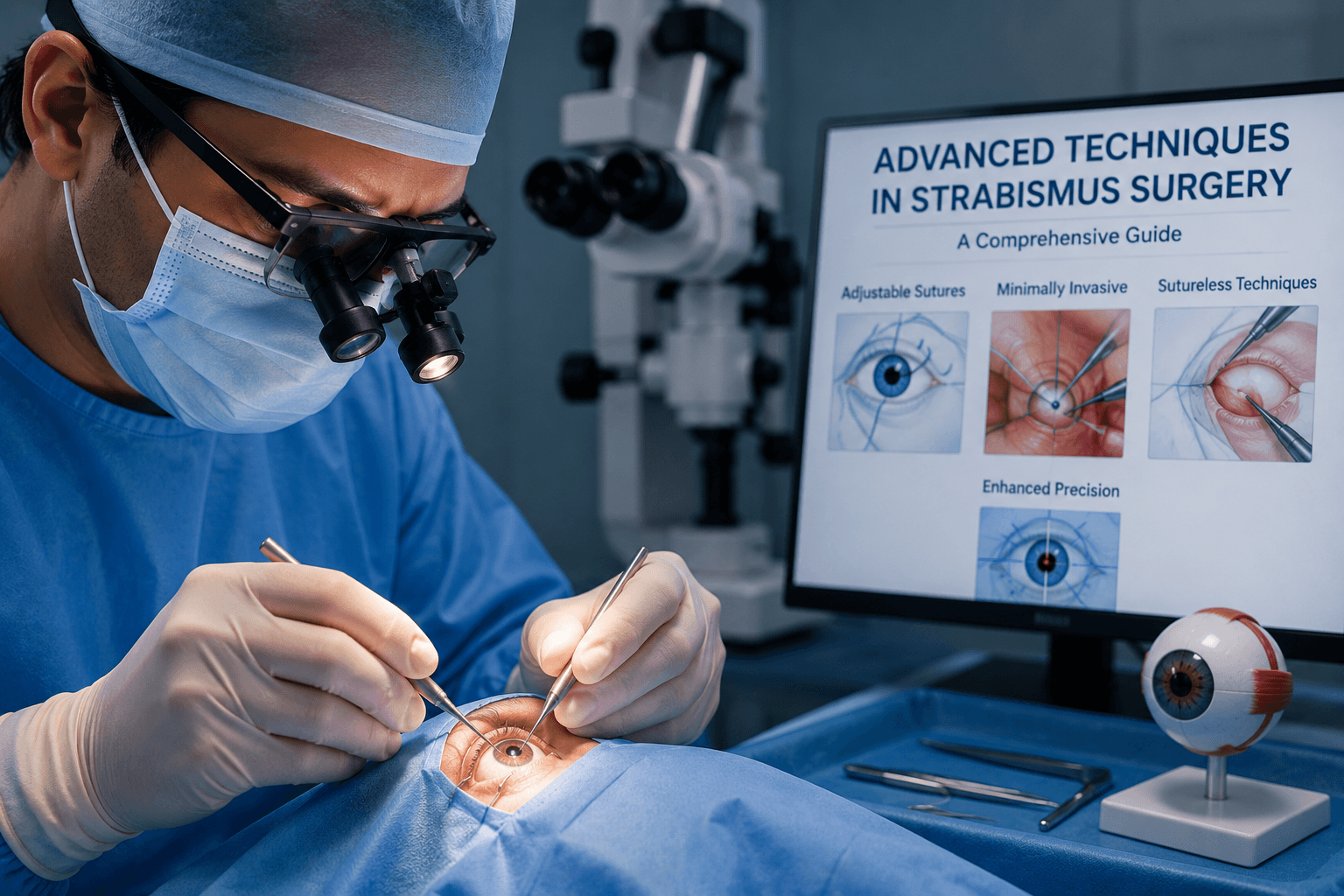
Advanced Techniques in Strabismus Surgery: A Comprehensive Guide
Modern strabismus surgery has become increasingly precise and personalised. A guide to the techniques used today — from adjustable sutures to minimally invasive approaches.
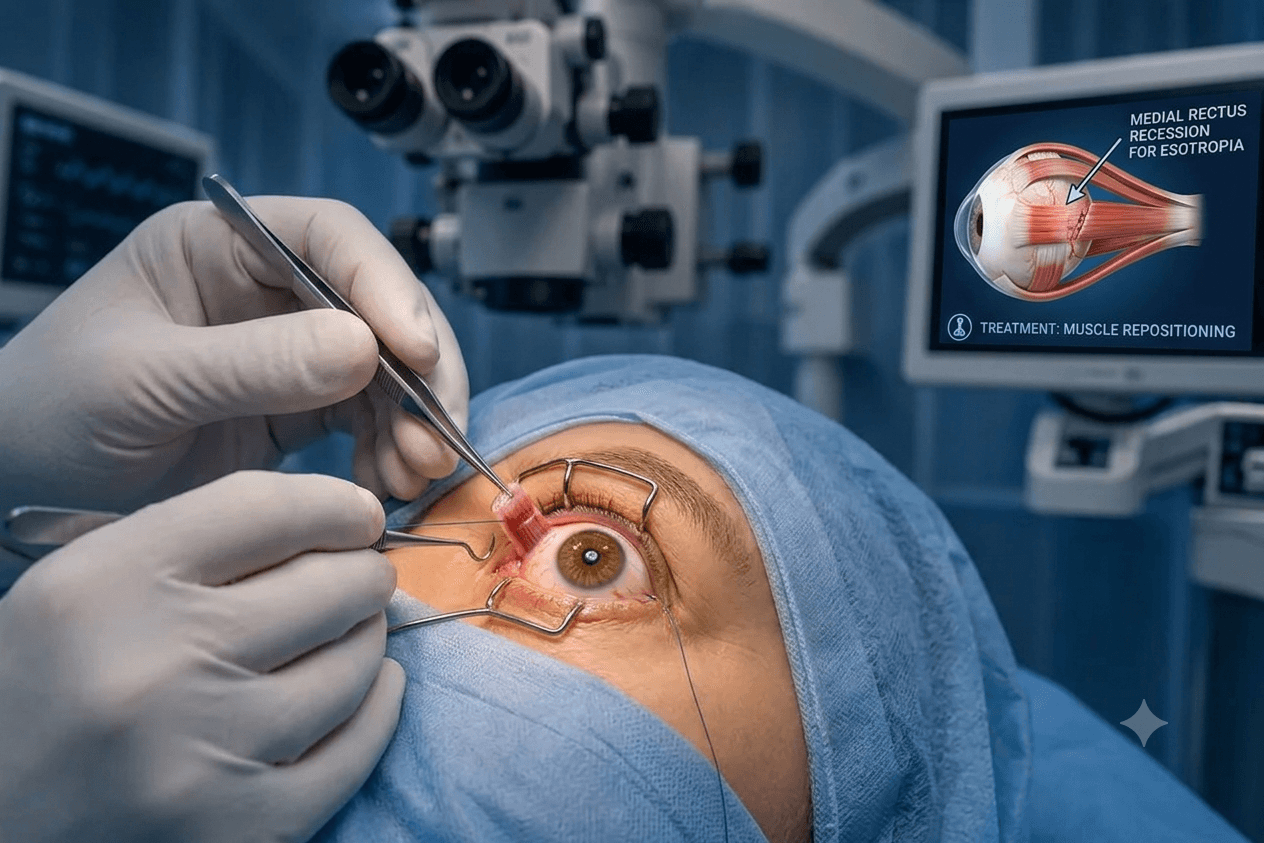
Esotropia: Causes, Symptoms, and Treatment
Esotropia is the most common form of strabismus — where one or both eyes turn inward. Causes, types, and the full range of treatments from glasses to surgery.
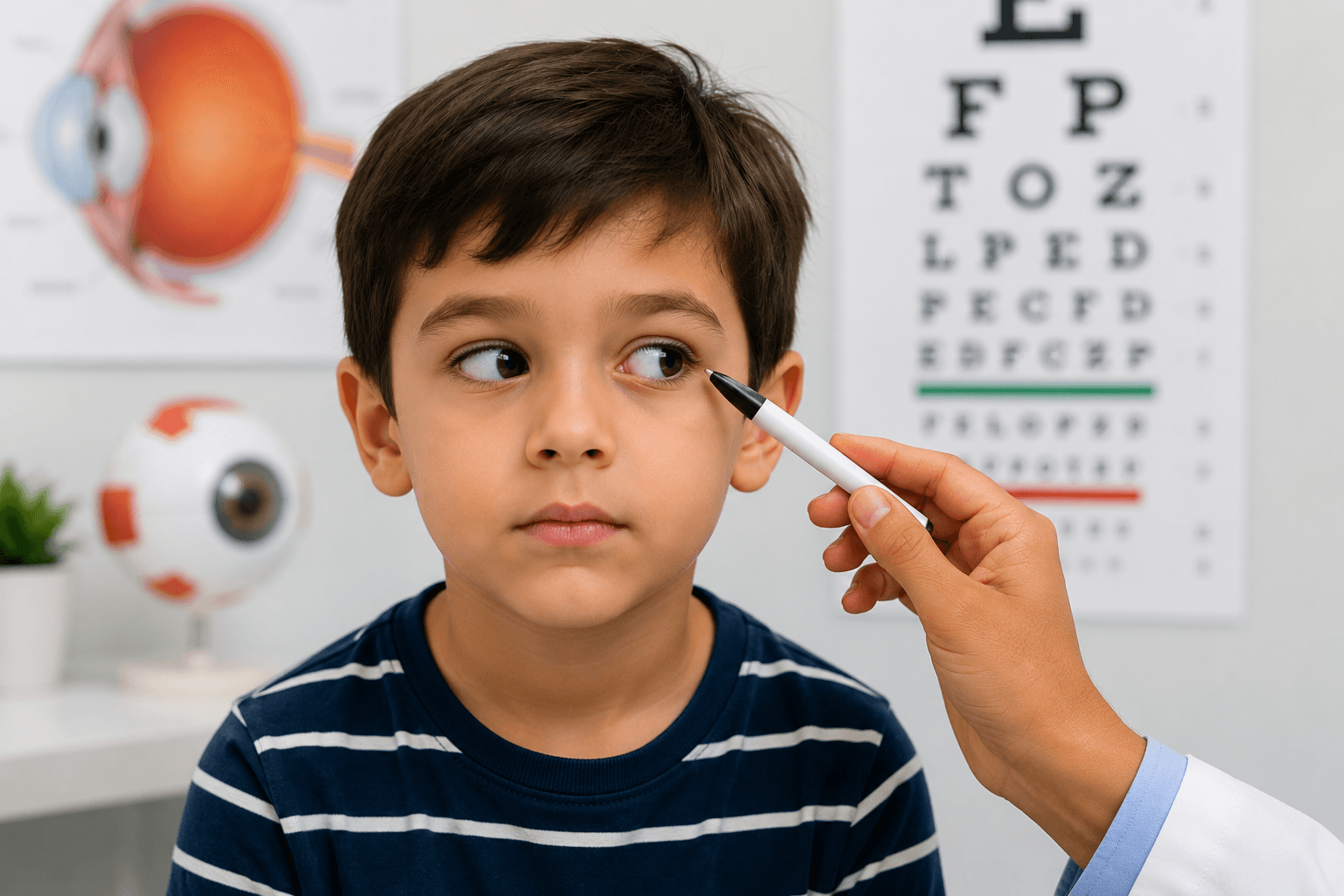
Exotropia: Causes, Symptoms, and Treatment
Exotropia is where the eye turns outward, often intermittently at first. What causes it, how it's diagnosed, and the treatment options for children and adults.
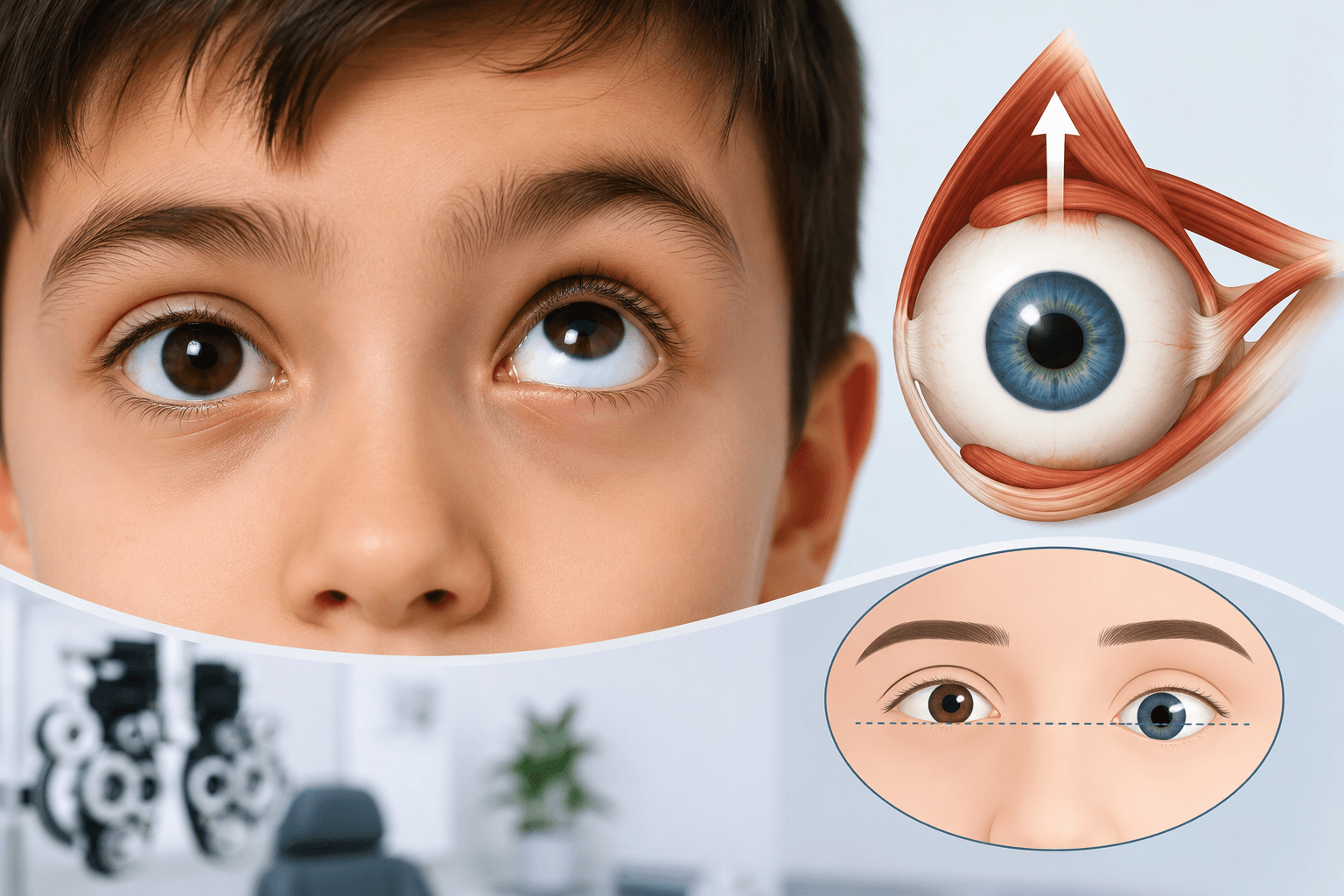
Hypertropia: Causes, Symptoms, and Treatment
Hypertropia is a vertical misalignment where one eye sits higher than the other. Causes range from nerve palsies to thyroid eye disease — treatment depends on the cause.
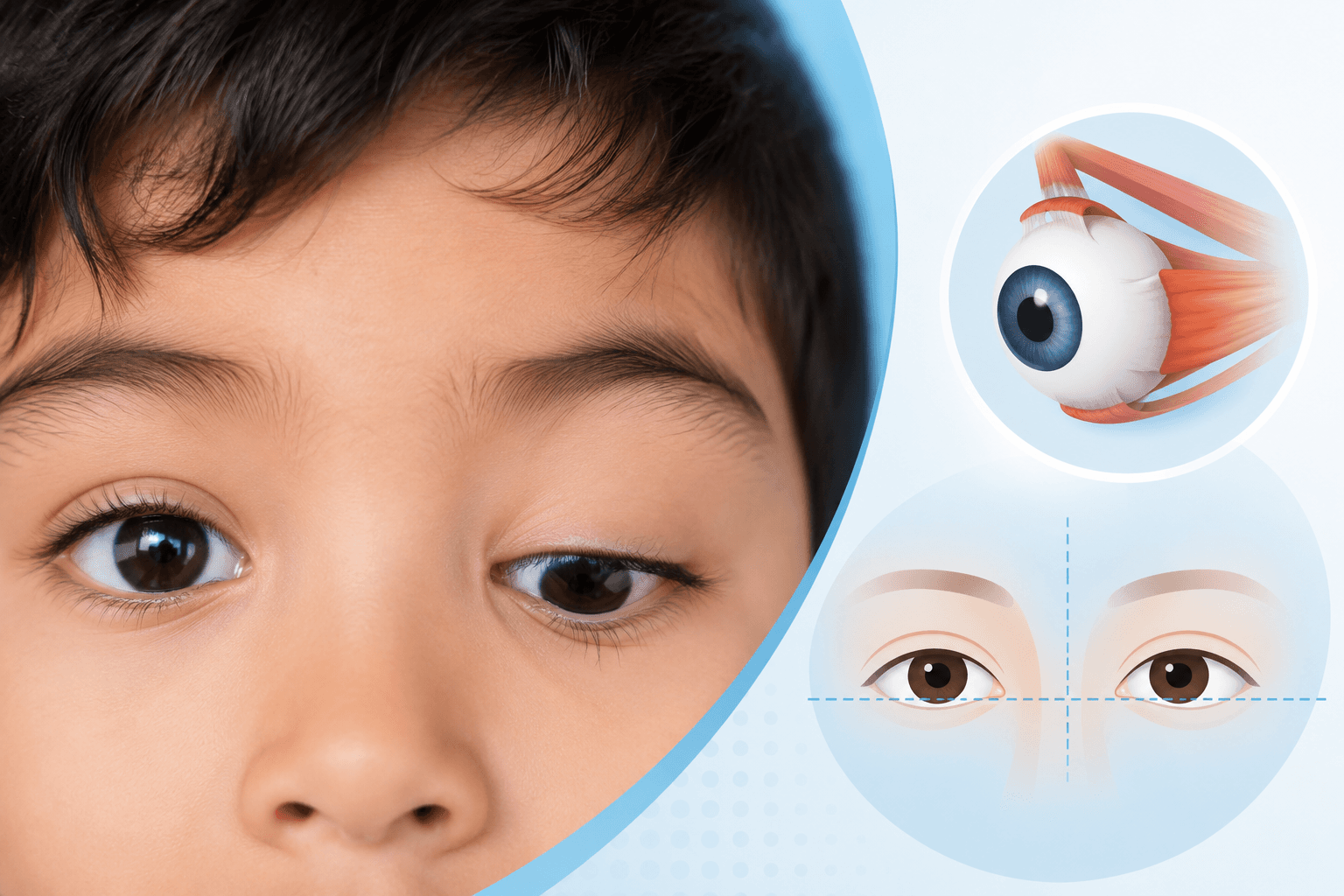
Understanding Hypotropia: Causes, Symptoms, and Treatment Options
Hypotropia is when one eye points downward relative to the other. What causes this vertical misalignment and the treatments that can help restore eye alignment.
Understanding Cyclotropia: Causes, Symptoms, and Treatment Options
Cyclotropia is a rotational misalignment of the eyes that can cause torsional diplopia. What causes it, the symptoms to recognise, and how it's treated.
Astigmatism: Causes, Symptoms, and Treatment Options
Astigmatism is one of the most common refractive errors — and one of the most misunderstood. What it actually is, why it causes blurred vision, and how it's corrected.
Dry Eye Syndrome: Causes, Symptoms, Diagnosis, and Treatment
Dry eye syndrome affects millions of Australians. What causes it, the symptoms to recognise, how it's properly diagnosed, and the full range of treatments.
Presbyopia: What It Is and How to Manage It
Presbyopia — the age-related loss of near focus — affects virtually everyone over 45. What causes it, how it differs from other refractive errors, and the correction options.
Understanding Myopia (Short-Sightedness)
Myopia is now a global epidemic, with rates rising sharply in younger generations. What causes short-sightedness, how it's diagnosed, and the correction and control options.
Understanding Hyperopia (Long-Sightedness)
Hyperopia is often confused with presbyopia, but they're different conditions. What long-sightedness actually means for your vision and how it's treated at every age.