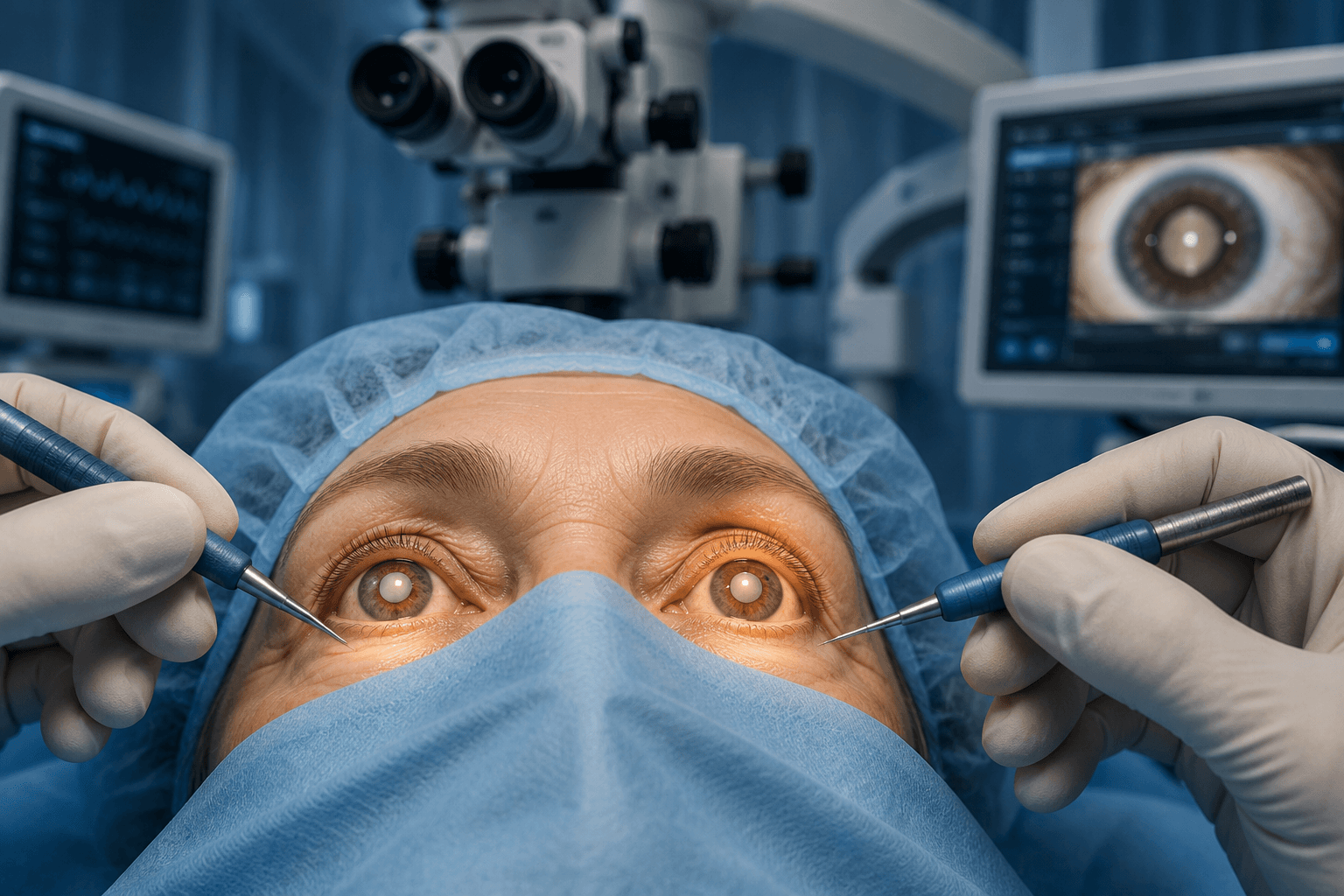

Cataract surgery is one of the most widely performed procedures worldwide, known for its success in restoring vision to millions of people each year. While complications are uncommon, diplopia — or double vision — is one that can cause significant discomfort when it does occur. Understanding its causes, prevention strategies, and available treatments can help patients and clinicians manage this risk effectively.
What is Diplopia?
Diplopia refers to perceiving two images of a single object — side-by-side, vertically aligned, or at an angle. It can affect one or both eyes and often relates to issues with eye alignment or the visual system.
In the context of cataract surgery, diplopia typically arises when the alignment of the eyes or the visual system is disrupted post-surgery. The condition may be temporary, resolving as the eye heals, or persistent, requiring medical intervention depending on the underlying cause.
Common Causes of Diplopia After Cataract Surgery
Several factors can contribute to the development of diplopia following cataract surgery:
Ocular Muscle Imbalance
Cataract surgery involves small incisions and lens manipulation that may temporarily affect the eye muscles. This imbalance is one of the most common causes of post-surgical double vision.
Residual Refractive Error
Despite modern surgical precision, small refractive errors such as astigmatism, myopia, or hyperopia can remain after surgery and may contribute to visual disturbances including diplopia.

Dry Eye Syndrome
Dry eye is a well-known side effect of cataract surgery. The procedure can disrupt the tear film or reduce natural eye lubrication, causing irritation, discomfort, and blurred vision that can mimic or worsen diplopia.

Macular Oedema
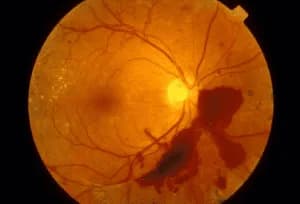
Macular oedema involves swelling of the central retina following surgery. Though rare, it can affect vision clarity and cause blurry or double vision in some patients.
Lens Misalignment
The artificial intraocular lens (IOL) inserted during surgery must be precisely positioned. Improper placement or post-operative misalignment can disrupt light focusing and cause double vision.
Damage to Eye Nerves
Though very rare, nerve damage controlling eye movement can occur during surgery. This can prevent the eyes from working together properly, resulting in double vision.
Concerned about cataract surgery risks?
Dr Parth Shah provides thorough pre-operative assessments and personalised care to minimise complications. Book a consultation at our Braddon, Canberra clinic.
Can Diplopia After Cataract Surgery Be Prevented?
While not all cases of diplopia are preventable, several proactive steps can significantly reduce the risk of complications. Prevention relies on careful surgical planning, precise execution, and attentive post-operative care.
- 1Comprehensive Pre-Surgical Evaluation
A detailed pre-surgery examination checks for pre-existing conditions that increase complication risks, such as strabismus, dry eye syndrome, or eye muscle conditions. Early identification minimises the likelihood of developing diplopia.
- 2Accurate Intraocular Lens (IOL) Selection
Choosing the right IOL is essential to achieving optimal visual outcomes. For patients with astigmatism, toric lenses correct refractive error and reduce the risk of visual distortion. Experienced surgeons select IOLs matched to each patient's specific needs.
- 3Precision in Surgical Technique
Ensuring proper IOL placement during surgery is critical to preventing diplopia. The lens must remain centred and aligned to avoid optical issues. Skilled surgeons use advanced technology to ensure placement precision while minimising tissue trauma.
- 4Treatment of Dry Eyes
Proactive dry eye management before and after cataract surgery is critical. Surgeons may recommend pre-operative dry eye treatment or advise post-operative lubricating eye drops to protect the visual system from irritation.
- 5Follow-Up Care and Monitoring
Post-operative care is vital in ensuring that any complications, including diplopia, are caught early. Patients should attend all follow-up appointments to monitor healing and IOL positioning. Prompt attention to any issues prevents long-term problems.
- 6Managing Pre-Existing Conditions
Patients with pre-existing conditions such as strabismus or nerve damage should receive appropriate treatment before cataract surgery to minimise the risk of double vision. Pre-operative consultations help identify and address these conditions in advance.
What to Do If Diplopia Occurs After Cataract Surgery?

If diplopia develops after surgery, contact your surgeon promptly. Treatment depends on the underlying cause:
Prism Glasses
For minor misalignment, prism glasses may be recommended to correct double vision by adjusting how light enters the eyes, reducing or eliminating the duplicate images.
Surgical Correction
If the IOL has shifted or there is ocular muscle imbalance, corrective surgery may be necessary. This can involve repositioning the IOL or adjusting the eye muscles to restore proper alignment.
Medication
For diplopia caused by macular oedema or dry eye, physicians may prescribe anti-inflammatory drugs or lubricating eye drops to reduce inflammation and alleviate symptoms.
Conclusion
While diplopia after cataract surgery is a rare occurrence, it can significantly impact a patient's quality of life if it arises. Understanding the causes and implementing preventive measures — including proper lens selection, precise surgical techniques, and effective post-operative care — helps minimise complications. If diplopia does develop, prompt treatment typically resolves the issue and restores optimal vision. At Clarity Eye Surgeons, we are committed to high-quality care that ensures cataract surgery improves both your vision and your comfort.
Frequently Asked Questions
Diplopia can develop both immediately or over time, depending on the underlying cause such as IOL misalignment or muscle imbalance. In some cases, it may be temporary and resolve naturally during the healing process.

Written by
Dr Parth ShahDr Parth Shah is a leading Canberra ophthalmologist specialising in cataract and strabismus surgery. With extensive training and experience, he is renowned for his expertise in these fields. Dr Shah emphasises patient education alongside technical proficiency, earning patient trust through a compassionate and thorough approach to eye care.
Book an Appointment Today
Speak with Dr Parth Shah about your cataract surgery options and any concerns about complications such as diplopia.