
Glaucoma Treatment in Canberra
Early detection and lifelong management of glaucoma, from eye drops to laser and surgery, with experienced ophthalmologists in Braddon, Canberra.
Medically Reviewed

Last medically reviewed on 29 June 2026. This page is educational and is not a substitute for personalised medical advice.
What Is Glaucoma?
Glaucoma is a group of eye conditions that damage the optic nerve, the structure that carries visual information from your eye to your brain. Often called the “silent thief of sight”, early-stage glaucoma usually causes no symptoms — peripheral vision is lost so gradually that it frequently goes unnoticed until significant damage has already occurred.
Vision lost to glaucoma cannot be restored, which is why early detection and consistent, lifelong management are so important.
Symptoms of Glaucoma
Early glaucoma is usually symptom-free — regular eye checks are the only reliable way to catch it early.
Gradual loss of peripheral (side) vision, often unnoticed at first
Tunnel vision in more advanced stages
Halos around lights, particularly at night
Headaches or an aching feeling above the eyebrow
Blurred or hazy vision
Sudden eye pain, redness, nausea or vomiting — seek urgent care
Seek urgent care for sudden eye pain, abrupt vision loss, or halos around lights — these can signal an acute angle-closure attack.
Causes & Risk Factors
Raised Eye Pressure
Fluid drainage from the eye becomes less efficient, causing pressure to build and gradually damage the optic nerve.
Drainage Angle Issues
A blocked or narrow drainage angle can cause sudden pressure spikes, as seen in angle-closure glaucoma.
Genetic & Secondary Factors
Family history, prior eye trauma, inflammation, long-term steroid use or previous eye surgery can all contribute.
Key Risk Factors
Types of Glaucoma
Primary Open-Angle Glaucoma
~90% of casesThe drainage system gradually becomes less efficient, causing pressure to rise slowly with no early symptoms.
Angle-Closure Glaucoma
Medical EmergencySudden blockage of the drainage angle causing severe pain, sudden vision loss, nausea and halos.
Normal-Tension Glaucoma
Normal Eye PressureOptic nerve damage occurs despite normal eye pressure, possibly related to poor blood flow.
Secondary Glaucoma
Underlying CauseDevelops as a result of trauma, inflammation, steroid use or prior eye surgery.
Congenital Glaucoma
Present From BirthPresent from birth or early childhood, usually requiring surgical intervention.
How Glaucoma Is Diagnosed
A combination of tests builds a complete picture of your eye pressure and optic nerve health.
Tonometry
Measures the pressure inside the eye.
Visual Field Test
Identifies blind spots in peripheral vision caused by nerve damage.
OCT Scan
Detailed optic nerve and retinal nerve fibre imaging using Zeiss Cirrus 6000 technology.
Optic Nerve Exam
Direct inspection of the optic nerve during a dilated eye examination.
Eye Drops for Glaucoma
Most glaucoma is managed first with daily eye drops that lower eye pressure. Consistent daily use matters — our team can show you the correct technique.
Prostaglandin Analogues
The most effective class of glaucoma drops. Improve fluid outflow with a once-daily evening application.
Beta-Blockers
Reduce fluid production within the eye. Used twice daily, with caution if you have asthma or certain heart conditions.
Alpha-Agonists
Reduce fluid production while also improving drainage.
Carbonic Anhydrase Inhibitors
Reduce fluid production and improve drainage, often used alongside other drop classes.
Laser Treatment
Selective Laser Trabeculoplasty (SLT)
Improves drainage through the eye's natural outflow channels. Minimally invasive, repeatable, and takes around 5 minutes per eye.
Laser Peripheral Iridotomy (LPI)
Creates a tiny opening in the iris to improve fluid flow — the primary treatment for angle-closure glaucoma. Quick and painless.
Surgical Options
Very few glaucoma patients ever need surgery — the vast majority are managed long-term with drops and laser therapy. Surgery is considered when these can no longer adequately control pressure.
Trabeculectomy
The most established glaucoma surgery, creating a small drainage channel in the eye wall. Performed as a day procedure under local anaesthetic.
Tube Shunt Surgery
Implants a small silicone tube to redirect fluid out of the eye — recommended when trabeculectomy isn't suitable, such as after prior surgery or in complex glaucoma.
Minimally Invasive Glaucoma Surgery (MIGS)
Newer procedures with a safer side-effect profile, often combined with cataract surgery. Options include iStent Inject, KDB Goniotomy and PRESERFLO MicroShunt.
Meet Our Glaucoma Specialists

Why Choose Clarity Eye Surgeons
Named-Surgeon Continuity
You're cared for by the same ophthalmologist from diagnosis through treatment and lifelong monitoring.
Advanced Diagnostic Technology
OCT imaging captures detailed optic nerve scans, helping detect and monitor glaucoma with precision.
Local Braddon Clinic
A purpose-built clinic in Braddon, Canberra, with both private and public treatment options close to home.
Lifelong Monitoring & Support
Glaucoma requires ongoing care — we provide clear explanations and consistent follow-up at every review.
What to Expect
- 1
Referral
A referral from your GP or optometrist is recommended so Medicare rebates can apply to your consultation.
- 2
Bring Your Medication List
Your current medications are reviewed for any interactions or precautions relevant to your treatment.
- 3
Allow Time for Your Visit
Initial consultations typically take 60–90 minutes to allow for a thorough assessment.
- 4
Arrange a Driver
If dilating drops or a procedure are planned, you won't be able to drive yourself home afterwards.
Laser procedures are usually performed under local anaesthetic while you stay awake and comfortable, typically taking 15–60 minutes with same-day discharge.
Recovery & Aftercare
Mild redness and discomfort in the first few days is normal. Full healing and pressure stabilisation can take 4–12 weeks, depending on the treatment.
Do
- Continue using your prescribed eye drops exactly as directed
- Attend close follow-up appointments in the initial weeks
- Rest and take it easy for the first day or two after a procedure
Don't
- Rub or press on the treated eye
- Let tap water or soap get into the eye for 2–3 weeks
- Do strenuous exercise or heavy lifting for 4 weeks
- Swim for at least 6 weeks
- Drive until your specialist clears you
Glaucoma Treatment FAQs
Glaucoma cannot currently be cured, but it can be effectively managed by reducing eye pressure to prevent or slow further optic nerve damage. With proper treatment and regular monitoring, most patients maintain good functional vision.
From the Blog
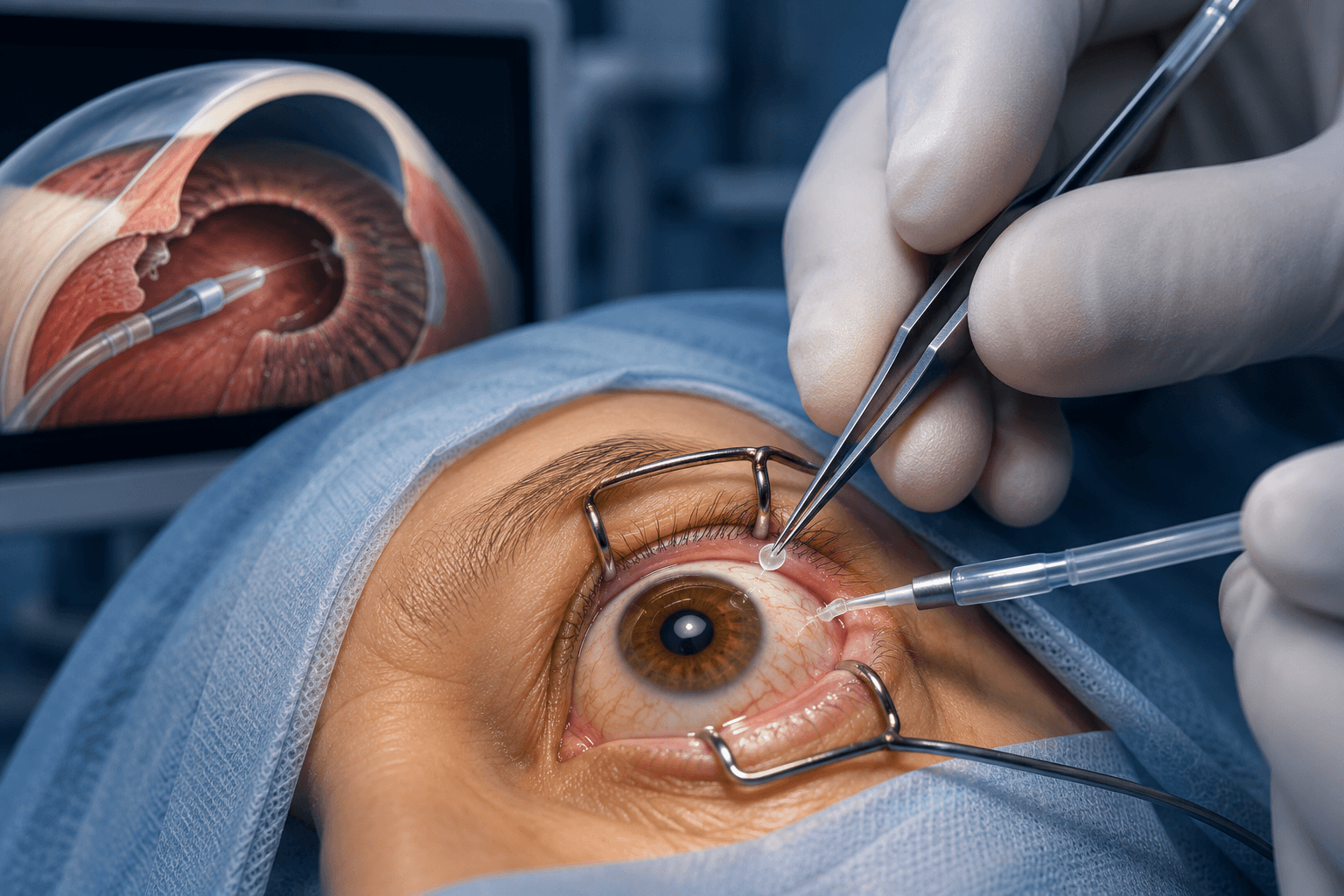
Glaucoma Surgery Explained: Trabeculectomy, MIGS & Tube Shunts
When eye drops and laser aren't enough, glaucoma surgery has three main paths. Here's how trabeculectomy, MIGS and tube shunts compare.

What Are the Different Types of Glaucoma?
Glaucoma isn't one disease — it's several, each with its own cause and risk profile. Here's how the main types differ.

Glaucoma: What It Is, Symptoms, Causes, Types & Treatment
A complete guide to glaucoma — the "silent thief of sight" — covering symptoms, causes, diagnosis and every treatment option available today.